

Aesthetic treatments, such as dermal fillers, have become a popular choice for those looking to enhance their facial features and attain a youthful glow. However, if these fillers are not applied correctly, they can result in an unnatural, swollen look often referred to as “pillow face.”
This phenomenon is more common than many realise and frequently goes unnoticed. To help navigate this issue, we turn to seasoned professionals for their valuable insights on how to avoid this undesirable effect.
- Meet Our Experts
- What Is Pillow Face?
- Common Signs and Vulnerable Areas of 'Pillow Face'
- Causes of Pillow Face After Dermal Filler Treatments
- Getting Repeated Fillers Could Lead to Pillow Face!
- Preventing Pillow Face Gone Wrong
- Types of Dermal Fillers That Are Associated with Pillow Face
- Is Pillow Face Reversible or Permanent?
- Can Pillow Face Occur with Fat Transfers?
- Keep Your Glow Without the Puffy Look
Meet Our Experts
- Dr Sarah Too, Medical Director at Astria Medical Aesthetics, Singapore. Her career path encompassed extensive training across multiple clinical specialties, with Dermatology playing a significant role in enhancing her comprehension of skin health.
- Dr Ivan Puah, a Medical Director at Amaris B. Clinic, Singapore and an MOH-Accredited Liposuction Doctor, has undergone international training in liposuction and gynecomastia. He has authored research papers and created various surgical techniques for body sculpting.
What Is Pillow Face?
@thecosmeticlounge Replying to @… Susan addresses a common question: What is ‘pillow face,’ and how can you avoid it after cosmetic treatments? Tune in to get expert tips on maintaining natural, beautiful results! #pillowface #fullface #puffyface #pillowfacefilter #botched #cosmetics #pamperday #beautytreatments #medspa Disclaimer: Please note that every cosmetic procedure is tailored to the individual, and results may vary. The information provided in this post serves as general education and does not constitute personalised medical advice. The specific cost, product used, dosage, recovery times, and treatment plans may differ based on individual needs and consultation with a qualified practitioner.
According to Dr Sarah Too, pillow face is a term used to “describe a puffy, overfilled appearance of the face, often caused by excessive or poorly placed dermal fillers, resulting in an unnatural fullness that resembles a ‘pillow’.”
Which is also “known as Facial Overfilled Syndrome (FOS),” she added.
This aligns with what Dr Ivan Puah shared that pillow face look “occurs when too much filler is injected, especially into areas like the cheeks, causing the face to appear unnaturally full, round, and bloated.”
Common Signs and Vulnerable Areas of ‘Pillow Face’
@cellabeautyclinic 💘 Come & Visit Us Today! We have parking car We are open Mon-Sun 10am-8pm Beauty Located At : 🌸 MAKATI BRANCH 🌸 🏩 238 Pablo Ocampo , Makati, Manila
In Dr Sarah’s words “Individuals with pillow faces often exhibit characteristics such as an overly rounded, inflated cheeks, blurred facial contours, and puffiness around the under-eye area.
The skin may also appear tight, shiny, and overly smooth, giving it a taut look. Overall, the face takes on a bloated appearance, looking swollen and lacking the usual definition and structure.”
When asked about which facial regions are more prone to developing the pillow face effect Dr Ivan Puah echoed Dr Sarah’s insights and highlighted the following characteristics:
- Tight, shiny skin
- Overly rounded cheeks
- Loss of natural facial contours
- Puffiness in the under-eye area
- An overall bloated or swollen appearance
Causes of Pillow Face After Dermal Filler Treatments

Image for reference only
Dr Sarah explained, “Common causes of pillow face include overfilling, misplaced filler, repeating fillers without allowing previous ones to dissolve, and filler migration, where the filler shifts from its original injection site. The type and properties of fillers also make a difference!”
Dr Ivan Puah delved deeper into these causes, elaborating on the following factors:
- Overfilling: The most common cause of pillow face is the overuse of fillers. When too much filler is injected, the natural contours of the face are lost, and the skin appears tight and swollen.
- Misplaced Filler: If filler is placed in areas that don’t require much volume, it can create an uneven or puffy look.
- Layering of Fillers: Repeated filler treatments without allowing previous filler to fully dissolve can lead to an accumulation of filler over time. This “layering” effect causes excessive fullness.
- Use of Thick, Long-Lasting Fillers: Using thicker or more permanent fillers in areas that don’t need a lot of volume can cause a lasting, overfilled appearance.
- Filler Migration: Occasionally, fillers can migrate from the original injection site to adjacent areas, causing an unnatural fullness in areas that weren’t meant to be treated.
Getting Repeated Fillers Could Lead to Pillow Face!

Source: Depositphotos
When asked about whether pillow face is more likely to occur after repeated filler treatments, Dr Sarah said, “it is likely to occur after repeated filler treatments, especially when treatments are done too frequently or without allowing previous filler to fully resorb. Over time, fillers can accumulate in the facial tissues, leading to an overfilled, puffy appearance.”
She added, “It is also possible for a pillow face to occur after just one session if an excessive amount of filler is injected or if the filler is placed incorrectly.”
So, if you’re considering dermal fillers, it’s important to choose an experienced professional who will prioritise a natural and balanced approach to your treatment.
Preventing Pillow Face Gone Wrong
Source: Depositphotos
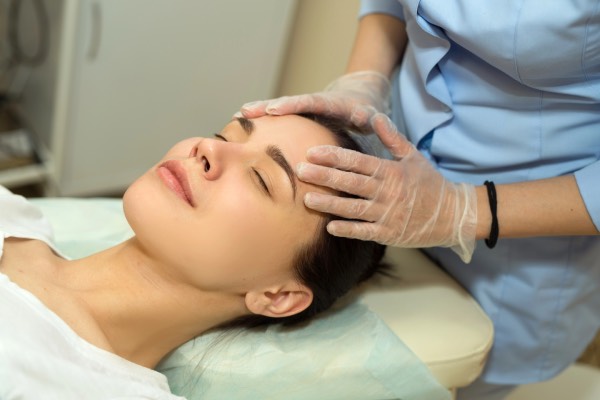
Dr. Sarah emphasised that “natural-looking results is key to avoiding overfilling and the risk of a pillow face.”
She highlighted the importance of “re-assessing the face at every time point, rather than following a standardised approach to performing fillers.”
To reduce the risk of overfilling and prevent the “pillow face” effect, it’s important to take a careful and personalised approach when undergoing dermal filler treatments. Dr. Ivan Puah shares the following key precautions:
- Choose an Experienced Doctor: The skill of the doctor is crucial in achieving natural-looking results.
- Use the Right Amount of Filler: Start with a conservative amount of filler and gradually add more if necessary.
- Allow Time Between Treatments: Avoid getting multiple treatments too soon after each other. Let the filler settle and dissolve naturally before opting for more injections.
- Understand Your Facial Structure: Every face is unique, and what works for one person may not work for another. A good doctor will understand how to enhance your natural features without making your face look artificially full.
- Opt for Temporary Fillers: Hyaluronic acid-based fillers are a safer option since they can be dissolved with hyaluronidase if too much filler has been injected or if migration occurs.
Types of Dermal Fillers That Are Associated with Pillow Face
Regarding the types of dermal fillers, Dr. Sarah explained, “Pillow face can occur with any type of dermal filler if not administered properly.”
Expanding on this point, she added that “It tends to be more common with hyaluronic acid filler. However, with skilled technique and the expertise of an experienced medical professional, this outcome can be effectively minimised.”
Is Pillow Face Reversible or Permanent?
When asked if pillow face caused by overfilling is reversible, Dr Sarah explained, “Pillow face caused by overfilling with hyaluronic acid dermal fillers is generally reversible as they can be dissolved.”
Dr Ivan Puah offered a complementary perspective, noting, “If you experience pillow face, there are several options to correct it depending on the type of filler used.” He then shared a few benefiting solutions you’d want to look into:
- Hyaluronidase for HA Fillers: If the overfilled look is caused by hyaluronic acid-based fillers, an enzyme called hyaluronidase can be injected to dissolve the excess filler, helping to reduce the puffiness and restore a more natural appearance. “In cases where non-HA fillers are used, you may need to wait for the filler to naturally break down and be absorbed by the body, which can take 12-24 months or more,” he expanded on.
- Surgical Intervention: In rare cases, for long-lasting or semi-permanent fillers, surgical removal may be needed to correct excessive volume or migration issues.
Can Pillow Face Occur with Fat Transfers?

Source: Depositphotos
Fat transfer is a cosmetic procedure where fat is harvested from one area of the body and injected into another to add volume or contour.
Dr Sarah and Dr Ivan Puah concurred that the phenomenon known as “pillow face” may arise following a fat transfer treatment.
She confirmed, “Indeed, fat transfers can result in a pillow face as well. Just like dermal fillers, excessive or improper fat grafting can lead to an unnatural, puffy appearance.”
And highlighting this, Dr Ivan Puah told us, “It could also happen with facial fat transfer procedures if not done properly.”
Keep Your Glow Without the Puffy Look
For maintaining a youthful appearance without risking the pillow face look, Dr. Sarah advised, “Have a consistent daily skincare routine with good sun protection. With regard to treatments, opt for a mixture of treatments that enhance natural features.
For instance, smaller, more gradual amounts of filler can be used to restore volume in areas like the cheeks or under the eyes, ensuring a balanced and harmonious appearance.”
She added, “Other medical aesthetic treatments, such as skin boosters, lasers, HIFU or microneedling, can effectively address different issues and contribute to a youthful look without relying solely on fillers.”
