
Dermal fillers have become a long go-to solution for many seeking to enhance their facial features and combat the visible signs of ageing.
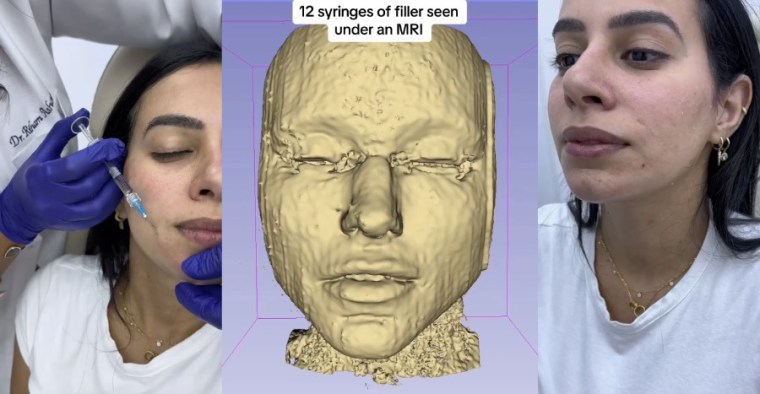
However, concerns about their long-term effects have been gaining attention, especially after a viral TikTok video showed an MRI scan revealing that some fillers can double or even triple in size over a few years.
This has led to questions about their safety, longevity, and impact on the lymphatic system. To provide clarity, we spoke to two experts in the field to share their valuable insights on long-term effects of dermal fillers and considerations surrounding this treatment.
Read on:These Viral TikTok DIY Trends Claim To Work Similar To Botox – 3 Doctors Weighed In On Them
Here’s what they said:
- Meet Our Experts
- Dermal Fillers: What They Are and What You Need to Know
- The Different Types of Dermal Fillers
- How Long Do Dermal Fillers Really Last And How Do They Vary?
- Can Dermal Fillers Expand or Dissolve Over Time?
- Can Dermal Fillers Double or Triple in Size Over Time?
- Impact on the Lymphatic System
- What to Consider Before Getting Fillers
Meet Our Experts
- Dr Yanni Xu, Medical Director at The Urban Clinic, Singapore, whose interests include, rosacea and sensitive skin, adult and hormonal acne, pigmentation, natural and graceful ageing of the face, and hair restoration.
- Dr Ivan Puah, an MOH-Accredited Liposuction Doctor and Medical Director at Amaris B. Clinic, Singapore, who has received international training in liposuction and gynecomastia, published research papers, and developed several body-sculpting surgical techniques.
Dermal Fillers: What They Are and What You Need to Know
@kamiparsamd #kamiparsa #fillers #hylenex #dissolvingfiller #dermalfillers #lips #teartroughfiller
Dr Ivan Puah, an MOH-Accredited Liposuction Doctor and the Medical Director of Amaris B. Clinic explained, “dermal fillers are injectable substances used to restore volume, smoothen lines/folds, and enhance facial contours.”
Dr Yanni Xu, the Medical Director of The Urban Clinic, highlighted, “Dermal fillers, often used for cosmetic enhancement, generally have a good safety profile when administered correctly.
However, like any medical treatment, they come with potential risks and side effects, especially when they last for longer periods of time, or a larger amount has been used on the face.”
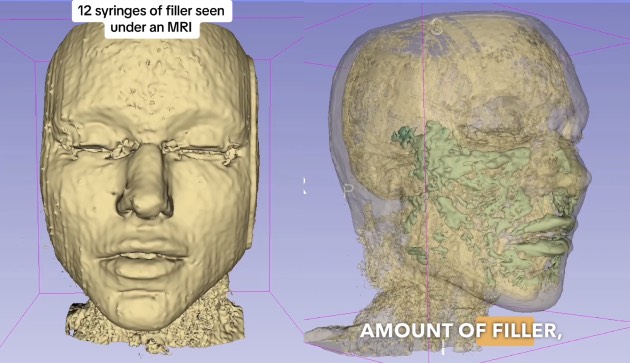
Source: @karmiparsamd/TikTok
To state her points further, she shared few potential long-term risks of using dermal fillers.
Migration
Migration refers to the movement of filler material from the area where it was initially injected to another part of the face or body.
This can occur due to several factors, including the type of filler used, the injection technique, the area of injection, and the patient’s natural movement and tissue dynamics.
Granulomatous Formation
Granulomas are small, inflammatory nodules that can form around the filler material. They are a type of chronic inflammatory response that can lead to lumps or bumps in the treated area.
This can result from an immune reaction to the filler material, which may be more common with certain types of fillers or in individuals with a predisposition to such reactions.
Treatment options include corticosteroid injections, antibiotics, or in some cases, surgical removal of the granuloma.
“Other long-term effects include irregularities and bulkiness, especially when large amounts are used in areas like the forehead or tear trough. Some fillers may need to be dissolved or adjusted with enzymes like hyaluronidase.
Over time, fillers may alter skin appearance and colour, particularly with superficial placement. Rarely, infections or allergic reactions can occur, needing medical attention,” she shared.
The Different Types of Dermal Fillers
@drshaadimanouchehri #filler #dermalfiller #facialaesthetics #learnontiktok #lipfiller
“There are various types of fillers made up of different materials such as hyaluronic acid (HA), calcium hydroxylapatite, poly-L-lactic acid and others.
Due to the differences in the properties of the materials, fillers are versatile products which can be used to cater to the different needs of a wide range of patients,” Dr Ivan Puah shared.
10 Most Common Places To Get Dermal Fillers
@cellabeautyclinic 💘 Come & Visit Us Today! We have parking car We are open Mon-Sun 10am-8pm Beauty Located At : 🌸 MAKATI BRANCH 🌸 🏩 238 Pablo Ocampo , Makati, Manila
Dermal fillers aren’t just for one specific area; they can be used to enhance and rejuvenate multiple parts of the face. Dr Ivan Puah shared the 10 most common areas for dermal fillers:
- Nose
- Lips
- Chin
- Jawline
- Forehead
- Tear trough
- Nasolabial folds
- Temporal areas
- Marionette lines
- Cheeks and mid-face regions
These targeted areas help smooth lines, restore volume, and define facial contours.
How Long Do Dermal Fillers Really Last And How Do They Vary?

Source: Depositphotos
The longevity of dermal fillers varies widely depending on the filler type, the area treated, and individual factors like metabolism.
“For example, the most common fillers such as the HA fillers, typically last between 6-12 months, while calcium hydroxylapatite fillers may last between 12-18 months. People with faster metabolisms break down fillers more quickly,” Dr Ivan Puah elaborated.
“Areas with more movement, such as the lips and around the mouth, tend to break down fillers faster, whereas areas like the cheeks may retain fillers longer,” he added.
Can Dermal Fillers Expand or Dissolve Over Time?

Source: Depositphotos
One of the most pressing concerns surrounding dermal fillers is their potential to expand or increase in size after being injected.
“Dermal fillers, depending on their composition, generally dissolve over time rather than expand. However, the process of how they dissolve, and their longevity can vary depending on the type of filler and the individual’s physiology.
The filler materials are biodegradable. This means that the body naturally breaks them down. This is an important feature for safety and aesthetics, allowing for gradual and natural-looking results.
However, some fillers such HA fillers are hydrophilic. In other words, they attract and retain water easily. This will lead to swelling or volume expansion after injection. Depending on the amount of HA fillers injected and the affected areas, the swelling may last for weeks or months. They generally do not expand significantly over time,” Dr Ivan Puah told Daily Vanity.
Dr Yanni also emphasised that “some fillers can be dissolved or adjusted using enzymes like hyaluronidase for hyaluronic acid-based fillers,” which allows for a more controlled outcome.
Can Dermal Fillers Double or Triple in Size Over Time?
“Dermal fillers should not double or triple in size over time if properly administered and maintained. However, what some people perceive as fillers ‘expanding’ or becoming more prominent could be due to a combination of factors such as filler migration, overfilling, inflammation, or natural tissue changes around the filler,” said Dr. Ivan Puah.
He continued to explain in detail, “Dermal fillers can migrate from the injection site to adjacent areas. Over time, the filler may shift or spread, giving the appearance that the treated area has grown in size or that the filler is concentrated in unintended places.”
“When additional dermal fillers are applied over multiple treatment sessions, it can create an overfilled appearance, causing the area to look larger over time. The body may not completely absorb the filler between treatments, leading to the cumulative effect of volume buildup,” he added on.
“In some cases, long-term swelling or inflammation could give the appearance that fillers are ‘expanding’. This could be the result of a delayed allergic reaction, irritation from repeated injections, or fluid retention in the treated area.
Over the years, as your skin continues to age, your face naturally loses collagen and fat, which can affect the appearance of the filler. In some cases, this loss of natural volume can make the filler more noticeable, even though the filler itself hasn’t expanded,” he explained further.
On the other hand, Dr Yanni explained that “different fillers have different consistencies and properties”.
“For instance, some fillers are more prone to migration due to their gel-like consistency, while others such as newer biostimulators are more viscous, break down faster and thus more stable.”
Impact on the Lymphatic System
Another significant concern is whether dermal fillers can block or interfere with the lymphatic system, which plays a critical role in maintaining fluid balance and removing waste from the body.
Dr Ivan Puah acknowledged that, “if the filler is improperly placed or if there is an excessive amount injected, dermal fillers can potentially affect the lymphatic system.”
“This may lead to swelling, puffiness or fluid buildup on the affected areas,” he explained.
Dr Yanni highlighted that “the skill and technique of the injector plays a crucial role in minimising filler migration.”
“Proper placement and depth are essential.”
What to Consider Before Getting Fillers
@inderm.skin.clinic ✨ Sculpt your perfect jawline with our expert filler treatments! Define, contour, and enhance for a sharp, natural look. 💉 Book your session today and get the confidence boost you deserve! For booking your appointment, contact us at: 📞 01019777719 #fyp #glowyskin #beauty #viralvideotiktok #skinhealth #JawlineGoals #FacialSculpting #Inderm #NaturalBeauty #DermalFillers #GlowUp
Dr Ivan Puah emphasised, “The effects of fillers are typically manageable. Ensuring that fillers are placed correctly by an experienced doctor can help minimise the risk of lymphatic blockage and related side effects.
If complications arise, treatments like hyaluronidase, lymphatic massage, or steroids can help alleviate the issue.”
Dr Yanni suggested that anyone considering dermal fillers to thoroughly discuss their medical and cosmetic history with their practitioner before undergoing treatment.
“Discuss your medical and cosmetic history thoroughly with your practitioner. They can tailor their approach based on your unique needs.”
She also recommended getting a personalised treatment plan.
“A detailed evaluation and customised treatment plan can help address specific risks related to filler migration.”
“Fillers may have to be slowly added over time to create a more natural outcome. Doing many syringes at one time just to get a fast result may result in more problems later,” she concluded.
