
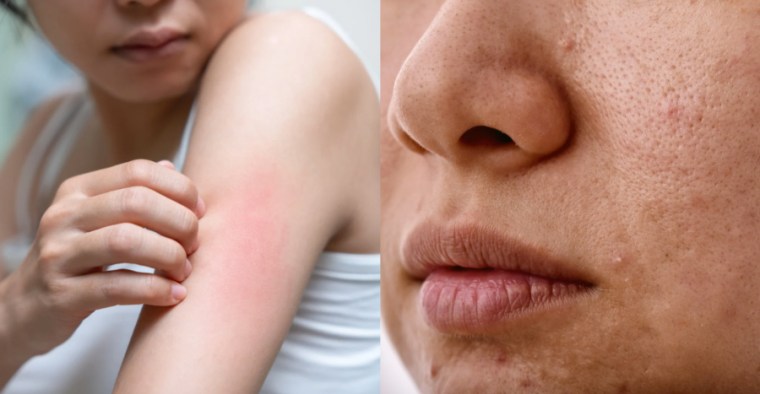
As a beauty editor, I’m expected to know everything about skincare. But when it came to my own skin and body, I was totally lost.
I dealt with annoying blemishes on my jawline, itchy eczema flare-ups, irregular periods, and unexplained weight gain, which made finding solutions super frustrating.
Then, what I thought would be just a routine hormone check-up at the endocrinologist turned into something way more serious. An ultrasound showed tiny cysts on my ovaries, and blood tests indicated my glucose levels were creeping into pre-diabetes territory.
The verdict? Polycystic ovary syndrome (PCOS), a condition I never connected to my skin problems. I had a ton of questions, and I bet you do too.
To get some clarity, I reached out to a group of top specialists who understand how PCOS impacts the skin and how a holistic approach can bring both relief and results.
- Meet the Experts
- What Is PCOS, and Why Does It Affect the Skin?
- Common Skin Conditions Associated with PCOS
- PCOS Skin Symptoms: Acne
- PCOS Skin Symptoms: Hirsutism
- Does Spearmint Tea Help With Hormonal Acne and Hirsutism?
- PCOS Skin Symptoms: Acanthosis Nigricans
- Is There a Link Between PCOS and Eczema?
- Lifestyle Modifications to Alleviate PCOS Skin Symptoms
- Supplements to Manage PCOS Skin Symptoms
- Advances in Research and Treatment
Meet the Experts
- Dr Daphne Lee: Dr Lee is an accredited endocrinologist practising at Dr Daphne Lee Endocrine And Diabetes Medical Clinic. She treats a wide range of endocrine conditions, including diabetes, thyroid disorders, and obesity, with a special interest in adrenal and pituitary health.
- Dr Stephanie Ho: A British-trained Consultant Dermatologist registered in both Singapore and the United Kingdom, Dr Ho has over 25 years of experience and practice at Stephanie Ho Dermatology. Her specialities include skin cancer screening, laser treatments, and pediatric and adolescent skin care.
- Dr Tan Siew Kang: Practicing at The Dermatology Practice, Dr Tan is a Ministry of Health-accredited dermatologist with over a decade of experience. Her practice focuses on general, aesthetic, and laser dermatology.
- Diane Seto: Diane is a senior dietitian at Mount Elizabeth Hospital in Singapore, with over six years of clinical experience. She specialises in working with patients managing diabetes, cardiovascular disease, weight management, and irritable bowel syndrome.
What Is PCOS, and Why Does It Affect the Skin?
PCOS is a hormonal condition that impacts women who are of childbearing age, with about 10% of women in Singapore affected. Besides irregular menstrual cycles and challenges with conception, a lot of women also deal with skin problems.

According to Dr Daphne Lee, “Skin issues are one of the common symptoms of PCOS, and patients do present with skin concerns as they tend to be readily visible.”
The statistics are telling. Dr Tan Siew Kang reports that “about 70% to 80% of women with PCOS have cutaneous signs.”
“50 to 80% of PCOS patients present with acne, hirsutism and seborrhea, whilst 10 to 30% present with androgenetic alopecia, acanthosis nigricans and skin tags,” Dr Stephanie Ho adds.
Common Skin Conditions Associated with PCOS
Several skin conditions are particularly prevalent among those with PCOS:
- Acne: Dr Lee emphasises that acne in PCOS tends to be deeper and more severe, particularly affecting the lower face, including the chin and jawline. Dr Tan further states that “40 to 50% of women with PCOS experience acne vulgaris.”
- Hirsutism: This condition manifests as excessive hair growth in male-pattern areas, such as the upper lip, chin, and abdomen. Dr Ho explains, “Hirsutism is caused by the raised androgens seen in PCOS,” affecting 70 to 80% of patients.
- Acanthosis Nigricans: Characterised by dark, velvety patches of skin, typically found on the nape of the neck and in skin folds, acanthosis nigricans affects 10 to 30% of those with PCOS. Dr Tan notes, “It commonly affects PCOS patients who are overweight or insulin resistant.”
The visibility of these skin symptoms can incite significant emotional distress.
Dr Lee highlights that “skin symptoms can lead to low self-esteem and poor body image,” while Dr Ho adds that many women with PCOS experience “depression and sexual dysfunction” due to their skin manifestations.
PCOS Skin Symptoms: Acne
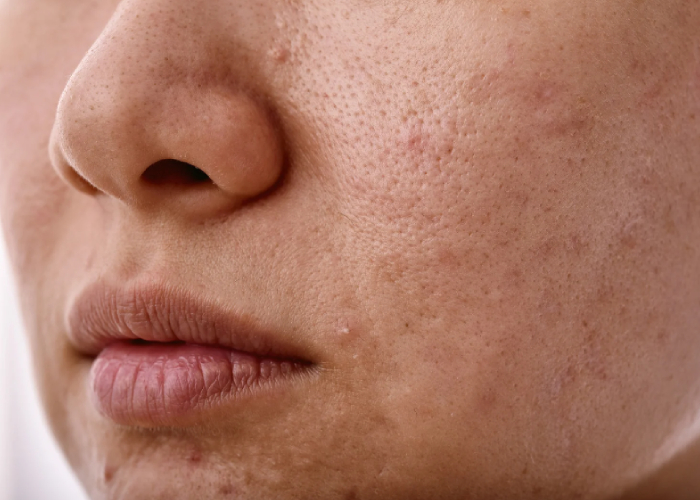
Acne in women with PCOS mainly stems from hormonal imbalances. Dr Ho highlights a few important factors.
- Elevated androgens: Increased levels of male hormones, such as testosterone, heighten oil production, clogging pores and leading to inflammation.
- Insulin resistance: This happens when the body’s cells don’t respond well to insulin, a hormone that helps regulate blood sugar. As a result, the body needs to produce more insulin to keep blood sugar levels stable. This exacerbates acne by increasing free androgens, further influencing oil production.
- Hormonal fluctuations: A relative deficiency of estrogen and fluctuating progesterone levels contribute to the severity of acne.
Dr Tan notes that “androgens also slow down the skin’s turnover rate,” causing a buildup of sebum and dead skin cells, which can trap bacteria and lead to further acne development.
Treatment Strategies for Acne in PCOS
Fortunately, there are various treatment strategies available for managing acne in women with PCOS. Dr Ho says that “hormonal treatments such as oral contraceptive pills” can help regulate androgen levels.
Additional options include:
- Anti-androgens like spironolactone.
- Insulin-sensitising agents such as metformin.
- Topical treatments like benzoyl peroxide and retinoids for mild cases.
- Oral antibiotics for reducing inflammation.
Dr Tan supports the use of combined oral contraceptives as the go-to first option, especially when topical treatments don’t work.
Common Nutritional Deficiencies in PCOS Patients and Their Link to Acne
Some findings indicate that deficiencies in specific micronutrients might worsen skin problems often experienced by those with PCOS.
Diane notes that acne has been linked to deficiencies in the following micronutrients:
- Vitamin E: Acts as an antioxidant and anti-inflammatory. Good sources include eggs, green vegetables, tomatoes, and walnuts.
- B vitamins: Particularly B1, B2, B3, B5, B6, and B7, help reduce sebum secretion and bacterial colonisation. Found in eggs, lean meats, fish, beans, dairy products, and whole grains. Be cautious with vitamin B12 supplements, as high doses may worsen acne.
- Vitamin D: Regulates sebum production, inhibits acne-causing bacteria, and reduces inflammation. Deficiency is common in acne patients, and supplementation (1,000 IU/day) has shown beneficial effects. Sources include fatty fish, eggs, and liver.
- Zinc: Has anti-inflammatory and antibacterial properties. Low zinc levels are associated with acne. Foods rich in zinc include oysters, pumpkin seeds, and whole grains.
PCOS Skin Symptoms: Hirsutism

Hirsutism is a condition where women have more hair than usual in places where men usually grow it, like the face, chest, back, and belly. This hair tends to be dark and thick, similar to the hair growth seen in men.
Dr Ho notes that “hirsutism is an important diagnostic sign of PCOS.” Treatment typically involves similar hormonal therapies, alongside options like waxing, shaving, and laser hair removal.
Dr Tan adds that “Vaniqa (Eflornithine) is the only topical skin cream treatment available for hirsutism,” although it is not available in Singapore.
Switching up your diet can really affect androgen levels, which is key for tackling hirsutism symptoms. Diane Seto points out that in PCOS, hirsutism is often tied to hormonal issues, particularly insulin resistance and high androgen levels.
Eating a high-fibre, calorie-controlled diet can help regulate blood sugar, reduce insulin levels, and might even help manage hirsutism in women who are overweight or obese.
Does Spearmint Tea Help With Hormonal Acne and Hirsutism?
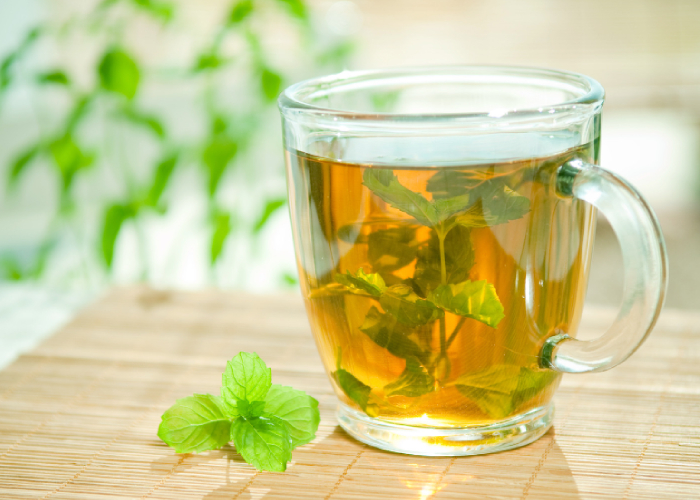
Spearmint tea is trending on TikTok as a go-to natural remedy for hormonal acne, especially for people dealing with PCOS. Studies suggest that drinking spearmint tea might help lower androgen levels, which are often linked to hormonal acne and excessive hair growth.
Diane references a 30-day randomised controlled trial involving 42 women with PCOS, which found “significant reductions in free and total testosterone among participants who drank spearmint tea, compared to those who drank placebo.”
She explains that while improvements in hirsutism symptoms were reported among spearmint tea drinkers, “objective measures did not show significant changes.”
Dr Lee adds, “There are some small-scale scientific studies that suggest a positive effect of spearmint tea on hirsutism but the data is insufficient to reach a definitive conclusion at this point.”
Spearmint tea shows promise as a complementary approach, but it is not yet established as a standalone treatment.
PCOS Skin Symptoms: Acanthosis Nigricans
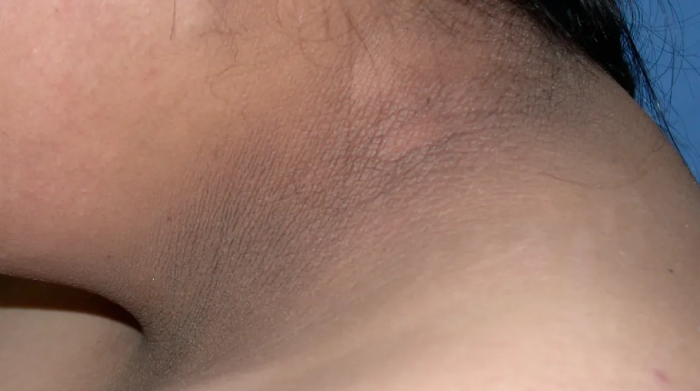
Credit: Heathline
Acanthosis nigricans is a skin issue that shows up as dark, thick, and velvety patches, usually found in areas like the neck, armpits, groin, and under the breasts. Interestingly, it’s mostly linked to insulin resistance.
Dr Ho explains that it occurs when “excess insulin stimulates the overgrowth of skin cells,” which is why the affected areas may also feel slightly raised and have a rougher texture compared to the surrounding skin.
Treatment strategies include:
- Insulin-sensitising agents like metformin.
- Hormonal treatments.
- Lifestyle changes focused on diet and exercise.
Dr Tan stresses the importance of addressing underlying insulin resistance through weight loss and exercise, which can improve skin symptoms.
Diane suggests, “A diet low in added sugars and refined starches while increasing fibre intake” may help manage acanthosis nigricans. A balanced diet with low glycemic-index foods is beneficial for overall skin health.
Is There a Link Between PCOS and Eczema?

Eczema isn’t a direct sign of PCOS, but the hormonal and inflammatory issues that come with it can make eczema worse.
As Diane explains, “Eczema (atopic dermatitis) is a chronic skin condition characterized by dry, itchy, and inflamed patches of skin.” She highlights that dietary management strategies for PCOS can also alleviate eczema symptoms.
A recent study noted that “significant skin improvements were found after eliminating refined flour products and junk food, as well as increasing the intake of vegetables and fish oil, which is rich in anti-inflammatory omega-3 fatty acids.”
Lifestyle Modifications to Alleviate PCOS Skin Symptoms
Making smart lifestyle choices like what you eat, how much you move, and how you handle stress is super important for managing PCOS symptoms, especially when it comes to keeping your skin healthy.
“Chronic stress can increase levels of cortisol, a stress hormone that raises androgen levels,” notes Dr Ho. “Managing stress with regular exercise, meditation, breathing exercises, and adequate sleep is important for hormone regulation.”
Dr Ho says, “Lifestyle modification is an important treatment strategy for patients with PCOS. A balanced, low glycemic diet can help regulate blood sugar levels and reduce insulin resistance, a major driver of androgen excess in PCOS.”
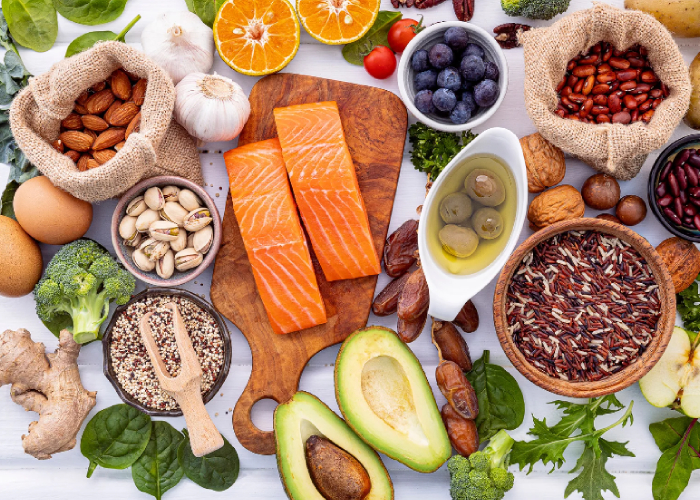
Dr Tan adds, “Adopting a balanced diet rich in fibre, low in processed foods and refined sugars, can help regulate insulin levels and reduce insulin resistance,” which is crucial for preventing skin manifestations.
“Research suggests that a high-glycemic index diet, which includes a lot of refined carbohydrates, can cause blood sugar spikes,” Diane explains. “This triggers the body to release more insulin, which increases the levels of hormones like insulin-like growth factor 1 (IGF-1) and androgens.” Such hormonal imbalances contribute to acne development.
Moreover, maintaining hydration is essential. Diane emphasises, “Hydration helps regulate oil production, supports the skin’s natural detoxification process, and reduces inflammation.”
Dealing with a healthy diet while managing PCOS can feel overwhelming. Diane suggests some handy tips like meal prepping, planning your meals in advance, and practicing mindful eating to help patients tackle cravings and food sensitivities.
She highlights the importance of “support systems, such as engaging with support groups or a dietitian, for guidance and motivation.”
Supplements to Manage PCOS Skin Symptoms
While some supplements may help manage PCOS-related skin symptoms, expert opinions vary on their effectiveness. Dr Lee suggests that “inositol has been suggested as a supplement to help with PCOS,” but cautions that “evidence to support its use is limited and inconclusive for now.”
Diane says it’s best to confirm any micronutrient deficiencies before starting supplements.
“For acne and hirsutism, supplements such as vitamin D, selenium, zinc, inositol, spearmint, alpha-lipoic acid, and chromium picolinate may be beneficial,” as they can help reduce insulin resistance and lower androgen levels.
Advances in Research and Treatment
Recent research on PCOS has brought renewed hope for more precise and effective treatments.
Dr Ho mentions that “GLP-1 agonists can promote weight loss, leading to improved insulin sensitivity and reduction in hyperandrogenism symptoms.” Dr Lee adds that genetic and genomic studies are emerging, providing insight into how individual genetic profiles affect symptom severity and treatment responses.
As Dr Tan notes, “Recent studies have suggested that artemisinin, a herbal extract, blocks an enzyme crucial for testosterone production.” While promising, larger trials are needed to evaluate its long-term safety.
Dealing with skin issues from PCOS can be a real hassle, but finding the right mix of skincare, dietary changes, and medical help can really turn things around.
Taking control of your skincare and lifestyle can feel super empowering, and with expert advice, you’ll be in a much better position to handle those ups and downs.
Keep in mind that everyone’s experience with PCOS and skin is different, so the more you learn about your own situation, the better you’ll look and feel.
