

When we think about skin health, our minds often jump to products, treatments, or even genetics, but liver health? Not so much!
However, the truth is, your liver plays a huge role in how your skin looks and feels. To dive deeper into the connection between liver and skin health, we’ve turned to experts to explain how this often-overlooked organ impacts your complexion.
Meet Our Experts
- Dr. Tan Siew Kiang is a highly experienced dermatologist accredited by Singapore’s Ministry of Health, with over a decade of expertise. She specialises in general dermatology, as well as aesthetic and laser treatments at The Dermatology Practice.
- Dr. Ch’ng Chin Chwen is a Consultant Dermatologist at Subang Jaya Medical Centre, Malaysia, bringing extensive expertise to her practice.
Liver and Skin Health: The Crucial Connection
Source: Depositphotos
The liver plays a crucial role in maintaining overall health, acting as the body’s primary detoxification organ. Often referred to as the ‘chemical factory’ of the body, it processes nutrients, filters toxins, and supports various metabolic functions — all of which can impact skin health.”
As Dr Tan Siew Kiang explains, “the liver’s main job is to filter incoming blood”, as well as “to obtain and distribute nutrients”. It also removes waste products and toxins from the blood, detoxifies chemicals and metabolises drugs. Thus, liver dysfunction can have a negative impact on the skin’s health and appearance leading to visible signs of ageing.
How a Struggling Liver Shows Up on Your Skin
The liver’s job extends beyond detoxifying the body and according to Dr Tan, it also “produces antioxidants such as glutathione, which protect the skin from oxidation and free radical damage.”
Dr. Sarah elaborates. She adds that the production of glutathione actually “helps to reduce the production of melanin, leading to even skin tone and reducing the appearance of dark spots and hyperpigmentation.”
Source: Depositphotos
To understand the connection between liver health and skin, Dr. Ch’ng Chin Chwen elaborated on its impact. For starters, she said, “the liver affects the skin in several ways:”
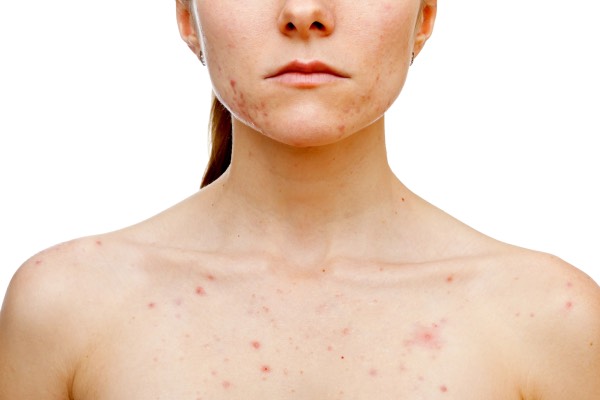
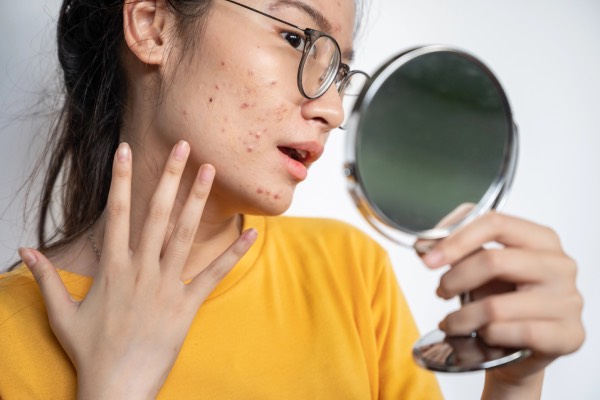
Detoxification: The liver filters toxins, chemicals, and waste products from the bloodstream. If the liver is overburdened or inefficient, toxins can build up, potentially leading to skin issues like acne, dullness, or inflammation.
The Impact on Skin: Accumulated toxins may contribute to oxidative stress, accelerating premature ageing and impairing the skin’s radiance and elasticity.
Metabolism of Nutrients: The liver processes vitamins (A, D, E, K), minerals, and fatty acids necessary for skin health.
The Impact on Skin: Deficiencies in these nutrients can result in dryness, poor texture, and decreased elasticity. For instance, vitamin A deficiency can impair cell turnover, causing dull or flaky skin.
Production of Proteins and Lipids: The liver produces albumin, which maintains blood osmotic pressure and prevents fluid retention or puffiness. It also synthesises cholesterol and triglycerides, essential for the lipid barrier of the skin.
The Impact on Skin: A compromised lipid barrier can lead to dehydration, loss of firmness, and increased sensitivity.
Hormone Regulation: The liver helps metabolise and regulate hormones like estrogen. Hormonal imbalances can trigger conditions like melasma, acne, or sagging skin.
The Impact on Skin: Effective hormone metabolism supports even skin tone and texture.
Antioxidant Production: The liver produces glutathione, a powerful antioxidant that combats oxidative stress and free radical damage.
The Impact on Skin: Adequate glutathione levels protect against premature ageing, supporting a more youthful appearance.
Lifestyle Habits That Harm Liver and Skin Health

Source: unhealthyeating/instagram
Certain lifestyle habits can harm both liver function and skin health, and Dr. Tan and Dr C’hng elaborates on a few.
- Toxins from cigarettes increases oxidative stress on the liver, leading to liver injury and fibrosis.
- Alcohol dehydrates the skin, causing inflammation. It also dilates the blood vessels, leading to redness and puffiness.
- Sleep deprivation accelerates ageing. Sleep is crucial for liver detoxification as well as regeneration of both liver and skin cells.
- High sugar diet also trigger insulin spikes leading to glycation, a process which breaks down collagen causing premature aging, acne and loss of skin elasticity.
- Sedentary lifestyle slows down metabolism causing buildup of fat in the liver which may lead to non-alcoholic liver disease. Poor circulation of the skin may result in full and puffy skin.
- Overuse of certain supplements or medications can overwork the liver and causes liver damage; also can cause skin photosensitivity, acne, and more.
- Dehydration reduces the liver’s ability to detoxify; also reduces skin’s elasticity and skin hydration.
How Stress Messes with Your Liver and Skin Health
We all know stress can wreak havoc on our mood, but did you know it can take a toll on your liver and skin too?
When you’re stressed, your body pumps out cortisol, a hormone that doesn’t just mess with your mental state, but also triggers inflammation in your liver, speeding up the progression of liver damage.

Source: Depositphotos
As for your skin, it’s not a fan of stress either. Chronic stress, as Dr Tan explains, can cause “increased inflammation, slow down wound healing and negatively impact skin conditions.” She added saying, “the oil glands secrete more oils when under stress which cause acne to worsen.”
Dr. Ch’ng also highlighted a few important facts, mentioning that “stress triggers the release of cortisol” and when “the skin produces excessive sebum, it can worsen conditions like acne, seborrheic dermatitis, and rosacea.”
She also emphasised that “cortisol breaks down collagen and elastin, which accelerates premature ageing.” So, if you’ve been feeling the pressure, your skin might be showing it too!
Related Read: Back Acne According to 2 Experts and Best Products To Use
