
The fragrance business is booming, and the numbers prove it.
Market research company Euromonitor projects that the industry will grow from US$64.4 billion in 2023 to US$68.9 billion by the close of 2024. Meanwhile, hashtags like #PerfumeTok on TikTok have sparked billions of views and discussions.
Amidst this surge of interest, the excitement around scent innovation is undeniable. But what’s next for the industry? We asked some of the brightest minds in fragrance to share their insights into 2025’s key trends.
From spiritual inspirations to textural fragrances, here’s how they see the future of perfumery unfolding.
- Meet the Experts
- Spiritual Scents
- Sweet Meets Savoury
- Memory-Driven and Culturally Inspired Scents
- Textural Fragrances
- Mindful Fragrances for Emotional Wellness
- Gender-inclusive and Climate-Adaptive Scents
- Skin Scents
- How AI and Biotechnology Are Shaping the Future of Fragrance
- A Green Revolution in Fragrance
Meet the Experts
- Kajal Gujar: A Mumbai-born perfumer, Kajal honed her craft through extensive training at dsm-firmenich, including their prestigious perfumery school. Now based in Singapore, she creates fragrances that evoke powerful memories and emotions.
- Levenza Toh: Levenza is the Vice President of Perfumery Regional Consumer Brands (SEA, Japan, Korea) at dsm-firmenich and the Country Leader for Perfumery & Beauty in Singapore.
- Joyce Lian: Founder of Scent Journer, Joyce believes in the transformative power of perfumery to uplift moods and awaken senses. Through Scent Journer, she crafts high-quality scents designed to enhance both emotional and physical well-being.
- Dan Terry: As the founder of Oo La Lab, Dan brings nearly 20 years of experience in the fragrance industry with a fresh perspective. Inspired by working with diverse people, he developed a passion for empowering others to craft their unique scent expressions.
Spiritual Scents
Credit: Mareefe/Pexels
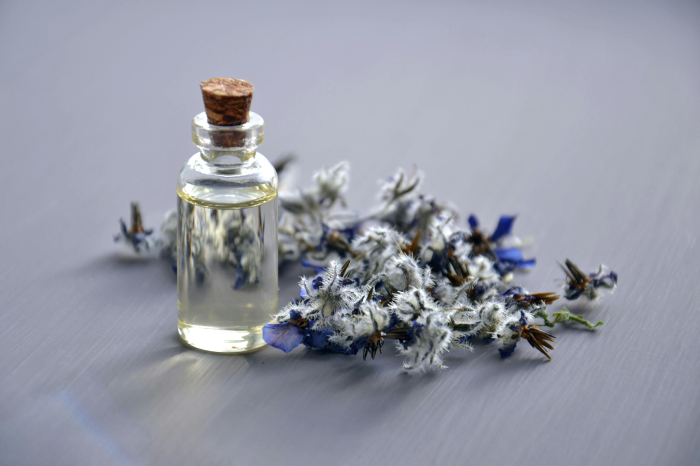
According to market research company Mintel, search interest in “spiritual perfume” has soared nearly 300% in the past five years.
Dan Terry predicts this trend will evolve to include zodiac and chakra-inspired fragrances, resonating deeply with users on a symbolic level.
These emotionally resonant scents will continue to flourish, offering comfort and grounding while tapping into a sense of cosmic alignment.

Try:
- Oo La Lab’s SUN Eau de Parfum channels grounding warmth, while MOON Eau de Parfum is a luminous, introspective scent.
- Maison Margiela’s REPLICA Autumn Vibes Eau De Toilette captures the earthy tranquillity of zodiac earth signs with notes of nutmeg, carrot seeds, and cedarwood.
- COSMOSS Sacred Mist Eau de Parfum combines grounding oakmoss, cedarwood, and tonka with delicate jasmine and floral notes. It’s a calming ritual in a bottle.
Related read: Your Guide to Scent Astrology: Fragrances That Align with Your Sign, According to 2 Experts!
Sweet Meets Savoury
Credit: Freepik
Over the past year, searches for gourmand fragrances (scents that smell edible) have surged on both Google and TikTok. According to trend-forecasting agency Spate, this upward momentum shows no signs of slowing as we head into the new year.
But as we move into 2025, the gourmand category will become more nuanced.
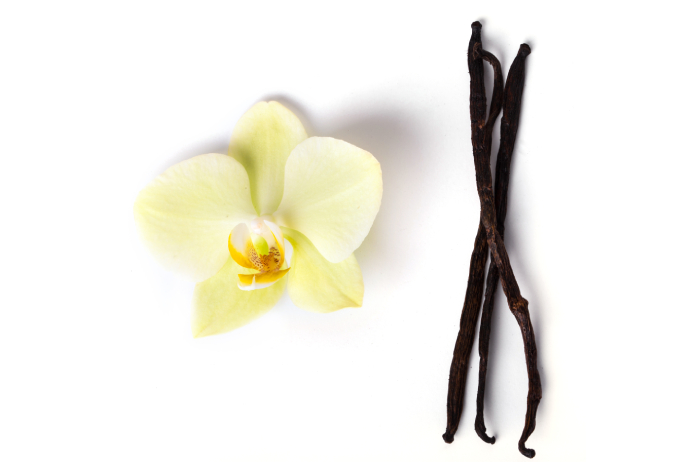
“Burberry Goddess, which features three types of vanilla, remains a popular global fragrance,” says Kajal Gujar. “Vanilla won’t disappear in 2025, but we’ll see less of an overdose.”
Dan adds that savoury elements like sesame, saffron, and salted caramel will elevate gourmand scents, appealing to those seeking indulgence with a twist.

Try:
- Kayali’s Yum Pistachio Gelato | 33 Eau De Parfum Intense combines creamy nuttiness with playful sweetness.
- Mancera’s Velvet Vanilla Eau de Parfum pairs vanilla with an unconventional twist, redefining the gourmand experience.
- Rabanne’s Fame Eau De Parfum blends succulent mango with pure jasmine and creamy incense for an addictive, sensual scent.
Related read: 19 Best Vanilla Perfumes to Try, Including Those That Your Favourite Celebrities Are Using
Memory-Driven and Culturally Inspired Scents
Fragrances that tap into nostalgia and cultural heritage are resonating with consumers seeking comfort and connection.
“The yearning for comfort and nostalgia is driving the use of fragrance to connect to childhood memories or embrace diverse cultural identities,” says Kajal, noting the rise of oud and tea-based scents.

Credit: Nonik Yench/Pexels
Joyce Lian highlights Scent Journer’s focus on Southeast Asia’s unique olfactory preferences, such as pandan. “Clouds in Heaven captures the comfort of familiar scents in a refined form,” she says.
Coincidentally, CHANEL’s in-house perfumer Olivier Polge visited Singapore earlier this November and shared that he had taken his first whiff of pandan leaf. Who knows? The note might show up in a future CHANEL fragrance.
Dan also highlights pandan leaf and green mango as reflective of Southeast Asia’s tropical charm.
Beyond pandan, rice notes are gaining attention for their soft, powdery elegance, evoking warmth and nostalgia. Joyce calls rice a “subtle, comforting warmth” that pays homage to the region’s agricultural heritage.

Try:
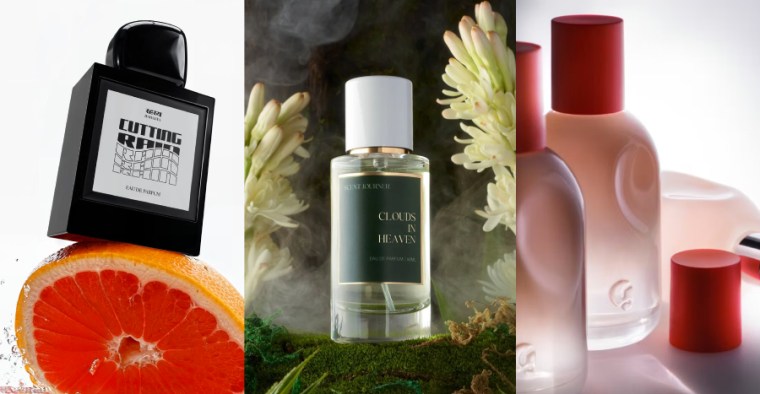
- Rahasya’s Cutting Rain Eau de Parfum disrupts traditional rose with twists of saffron and black tea.
- Scent Journer’s Clouds in Heaven Eau de Parfum offers a modern take on pandan, blending nostalgia with elegance.
- Ffern’s Autumn 2023 Organic Eau de Parfum captures herbaceous green notes like fig leaf and basil.
- Atelier Cologne’s Pomélo Paradis Cologne Absolute channels the sharp, fruity sweetness of pink grapefruit, mandarin, and blackcurrant.
- L’Artisan Parfumeur’s Le Chant de Camargue beautifully captures the rice note.
Textural Fragrances
Fragrances are progressively crafted to evoke tactile sensations, offering sensory experiences that are as opulent as their aromas.
“Innovations in fragrance will explore textural elements, creating sensations of velvet, suede, and silkiness in scents that ‘feel’ as if they have texture, driven by sophisticated layering techniques,” Dan explains.
Kajal concurs, predicting that gourmands will also evolve to offer textural experiences. These developments will elevate perfumery, turning it into a multisensory delight.
Try:
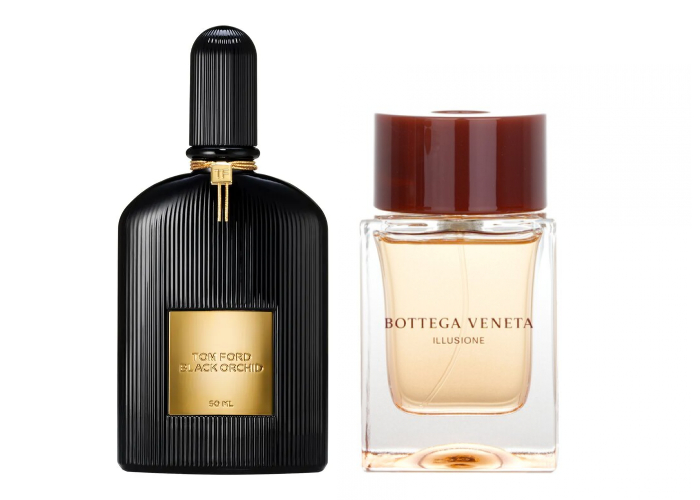
- Tom Ford Beauty’s Black Orchid Eau de Parfum exudes velvety richness with its dark florals.
- Bottega Veneta’s Illusione for Her Eau de Parfum creates a soft, tactile scent profile.
Mindful Fragrances for Emotional Wellness

Credit: Freepik
Fragrances are increasingly being developed with therapeutic benefits, reflecting a comprehensive approach to wellness.
“Consumer studies during COVID and post-COVID show a rise in appreciation for fragrances that not only delight the senses but also contribute to mental well-being. This is the number one trend,” Levenza Toh shares.
Joyce notes that this trend aligns with Scent Journer’s mission. “Our motto has always been to help customers discover their best selves ‘only one spritz away,’ with each scent formulated to bring out different positive moods,” she says.
Levenza notes that the advantages of fragrances supported by neuroscience, when paired with essential oils, are increasingly popular. Consumers are looking for perfumes that alleviate stress, enhance concentration, and promote better sleep.

Try:
- Scent Journer’s Soaring at Dawn Eau de Parfum uses Sichuan pepper to inspire optimism.
- Aesop’s Hwyl Eau de Parfum blends smoky, woodsy notes for relaxation.
- Orabella’s Nightcap Parfum gives vanilla and rich woods a lively twist with ginger and cardamom, perfect for grounding and uplifting the senses.
Gender-inclusive and Climate-Adaptive Scents
Gender-inclusive fragrances are emerging as the new standard, challenging conventional marketing practices.
Joyce shares that all Scent Journer scents are crafted without gender labels, “empowering individuals to choose based on scent preference rather than stereotypes.”
Additionally, the focus on lightweight, long-lasting fragrances for hot climates is reshaping the industry. “In hot, humid environments like Singapore, traditional heavy perfumes can feel too intense, so brands are innovating to create fragrances that last while remaining airy and refreshing,” Joyce explains.
Try:
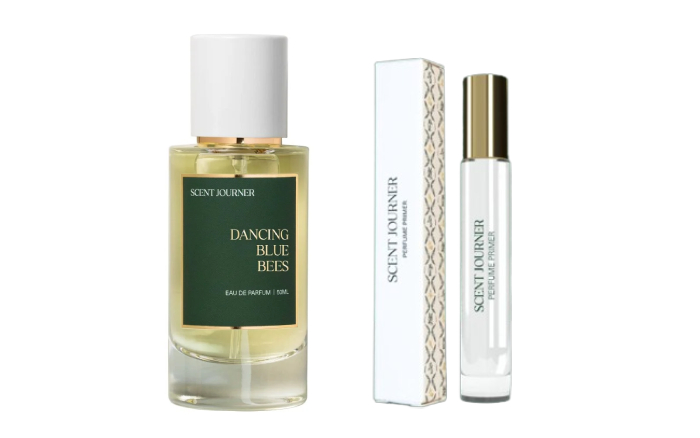
- Scent Journer’s Dancing Blue Bees is a universally appealing, honeyed scent.
- Their newly launched Perfume Primer promises to extend the life of any fragrance, perfect for humid climates.
Skin Scents

Credit: Zeyneb Alishova/Pexels
As we increasingly value personal connections, fragrances that resemble natural pheromones are gaining popularity. These subtle, musky scents foster a feeling of closeness and intimacy.
Try:
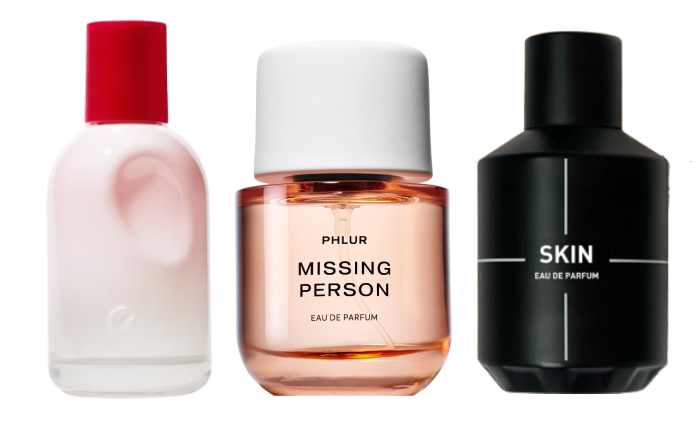
- Glossier You Eau de Parfum has sparkling pink pepper and earthy iris that melt into a warm, familiar base that feels effortlessly personal.
- Phlur’s Missing Person Eau de Parfum whisks sheer floral notes with comforting white musk and soft woods, evoking the tender memory of a lover’s touch.
- Oo La Lab’s SKIN Eau de Parfum is enhanced with a soft, musky Helvetolide note for a creamy, floral fragrance that lingers like a second skin.
How AI and Biotechnology Are Shaping the Future of Fragrance
From AI’s ability to analyse trends and optimise blends to biotechnology’s innovative ingredient creation, these advancements are pushing the boundaries of what’s possible in scent creation.
AI: Precision Meets Personalisation
AI is quickly turning into a must-have resource for perfumers. It sifts through tons of consumer data to spot new trends and fine-tune ingredient mixes, making the process of creating fragrances quicker and more accurate.
Dan notes, “Technology, especially AI and biotechnology, is streamlining ingredient sourcing and precision blending, allowing perfumers to craft more complex, multi-layered scents.”
“These tools enable sustainability, allowing rare scents to be produced ethically. AI will likely personalise fragrance experiences further, enabling consumers to discover scents uniquely suited to them.”
However, as Joyce points out, relying heavily on AI can have limitations.
“AI’s reliance on existing trends may limit creativity, as it often creates fragrances that mimic what’s already popular rather than offering entirely new and innovative profiles.”
At Scent Journer, she says, the focus is on crafting unique, emotionally resonant scents that transcend algorithmic predictions.
Biotechnology: Sustainable Scent Innovation

Credit: dsm-firmenich
Biotechnology is being celebrated as a gamer-changer in creating fragrances, providing eco-friendly and renewable options compared to conventional extraction techniques.
“Biotechnology…warrants 100% renewable, natural, and stable sourcing solutions that can replace key ingredients. These processes often consume fewer resources than traditional methods,” Kajal elaborates.
A great example is dsm-firmenich’s Clearwood®, which is made through sustainable sugar fermentation. It captures the rich essence of patchouli while being kinder to the planet.
On a similar note, Dreamwood® is a biotech breakthrough that imitates Mysore sandalwood without damaging those sacred trees.
Levenza also showcases dsm-firmenich’s NaturePrint® technology, which enables perfumers to replicate the chemistry of natural fragrances, even from “mute” flowers that can’t be distilled in the usual way.
This cutting-edge interference tech captures the aroma from the air and recreates it accurately, keeping nature’s essence intact while opening up new creative avenues.
A Green Revolution in Fragrance
In 2025, being eco-friendly will be a big deal in the world of fragrance, influencing everything from where ingredients come from to how products are packaged. This shift shows a serious dedication to cutting down on environmental harm while still providing amazing scents.
Using upcycled ingredients will lead the charge in this eco-friendly trend, helping to cut down on waste and opening up fresh creative avenues.
Joyce highlights the appeal, noting that using upcycled materials “empowers fragrance houses to explore novel notes and formulations, introducing fresh depth and character to their offerings.”

Scent Journer incorporates upcycled ingredients into three of their signature perfumes: The Blooming Jewel, A Starlit Spell, and Soaring At Dawn.
The Blooming Jewel, for example, uses sustainably sourced Turkish rose petals that would otherwise be scrapped, along with carrot heart from discarded seeds.
In a similar vein, A Starlit Spell taps into clove tree leaves, which are often ignored, to extract eugenol, while Soaring At Dawn makes use of cistus labdanum from leftover twigs and leaves of the cistus plant.
These creative approaches highlight how upcycling boosts sustainability and adds unique scents to fragrances.
Biotechnology plays a key role in this effort, as pointed out by Kajal. At dsm-firmenich, their Firgood® collection features 100% natural extracts that adhere to top-notch standards for both differentiation and sustainability.
These bio-engineered ingredients, including well-known products like Clearwood® and Dreamwood®, use renewable carbon and green chemistry to mimic the richness of traditional ingredients while also safeguarding biodiversity.
Kajal aptly concludes, “We’re dedicated to designing renewable ingredients that respect people and the planet, now and for generations to come.”
Companies like dsm-firmenich are changing the game in fragrance production by focusing on green chemistry and renewable carbon solutions. They’re producing high-quality scents while being kinder to the planet.
The fragrance industry is stepping up, not just meeting the needs of eco-aware consumers but also raising the bar for luxury and sustainability.
Featured image credits: @rahasyafragrances/Instagram and @glossier/Instagram
