
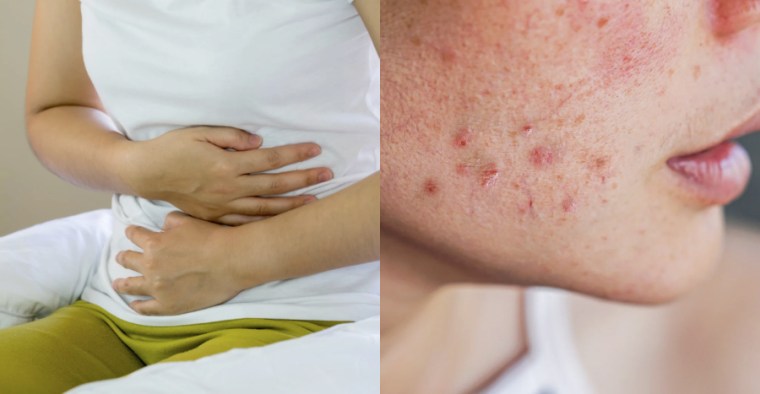
When food poisoning comes to mind, it’s usually the stomach cramps, nausea, and relentless trips to the bathroom that take centre stage – not unexpected breakouts or skin flare-ups.
However, for some, the effects extend beyond digestive turmoil, leaving their skin facing an unwelcome aftermath.
So, how does an upset stomach tie into the health of your complexion? Let’s explore the science behind the gut-skin connection and uncover what experts have to say about this often-overlooked link.
Meet the Experts
- Dr Ang Sue May is a Consultant Dermatologist at Shine Dermatology. Trained in the UK, she is a registered skin specialist in both Singapore and the United Kingdom. Her areas of expertise include acne and scarring, skin cancer, and dermatological surgery.
- Dr Calvin Koh is a gastroenterologist at Mount Elizabeth Novena Hospital, Gleneagles Hospital, and Parkway East Hospital. His clinical interests lie in pancreatobiliary diseases, gastric cancer, colon cancer, and general gastroenterology and hepatology.
How Your Gut Impacts Your Skin

The link between your gut and skin health isn’t just a trendy wellness buzzword — it’s backed by science.
According to Dr Calvin Koh, gastrointestinal infections, such as those caused by food poisoning, can upset the balance of gut microbiota, a key player in maintaining healthy skin.
“Gastrointestinal infections and the medications used to treat them, like antibiotics, can cause disruptions in the healthy gut flora and contribute to worsening acne conditions,” he notes.
The stress caused by food poisoning, which raises cortisol levels, adds another layer of complexity. Higher cortisol levels can boost oil production in the skin, creating a perfect storm for acne.
Dr Ang Sue May also emphasises the role of systemic inflammation sparked by food poisoning, further linking it to skin issues.
“Food poisoning disrupts the gut lining and potentially increases intestinal permeability – often referred to as ‘leaky gut.’ This allows toxins and bacteria to enter the bloodstream, triggering systemic inflammation that may manifest in the skin,” she says.

Research from the Taiwanese National Health Insurance Database, highlighted by Dr Koh, underscores this gut-skin connection.
“Although seemingly unrelated, there is some association between gastrointestinal illness and acne,” he explains.
“A study showed that patients with acne were more likely to have gastrointestinal complaints, including peptic ulcers, irritable bowel syndrome, gastroenteritis, gastroesophageal reflux disease, and constipation.”
At the heart of the connection lies the gut microbiota, a complex community of bacteria in your digestive system essential for overall health.
Research indicates that individuals with acne often have an imbalance in these gut bacteria. The upheaval caused by food poisoning, including gastrointestinal distress and possible antibiotic treatment, can disrupt this already fragile ecosystem even further.
When your gut is out of balance, your skin often bears the consequences.
Signs Your Skin Might Be Suffering Post-Food Poisoning
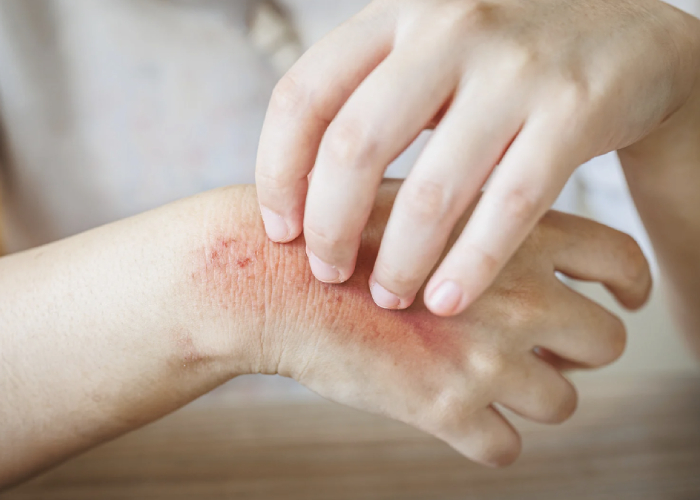
Skin problems following food poisoning can take various forms, but inflammation is often the underlying factor. Dr Ang explains that these issues might include:
- Redness and flushing: The immune system’s release of inflammatory cytokines can dilate blood vessels, causing redness or a flushed appearance, especially around the face.
- Breakouts: Inflammation and stress hormones may trigger excess oil production and clogged pores, exacerbating acne in areas like the T-zone.
- Dryness or flakiness: Vomiting and diarrhoea can dehydrate the body, stripping the skin of moisture and leaving it more susceptible to irritation.
- Hives or rash: The immune response to bacterial toxins can release histamines, resulting in itchy, raised welts or hives.
Does the Type of Food Poisoning Matter?
The type of bacteria causing your food poisoning could also impact how your skin reacts.
Dr Koh notes that bacteria such as E. coli, Salmonella, and Vibrio – part of the proteobacteria family – could contribute to systemic inflammation, potentially worsening acne. While research is still developing, it’s becoming clear that the gut’s microbial community plays a major role in this process.
Dehydration Sabotages Your Skin
Vomiting and diarrhoea can severely disrupt your body’s hydration, and the impact on your skin can be equally damaging.
When the skin becomes dehydrated, it loses its ability to protect itself, making it more susceptible to irritants. Dr Ang cautions that this often leads to the skin producing excess oil, which can clog pores and heighten sensitivity, creating a perfect storm for more breakouts and irritation.
Healing Your Skin Post-Food Poisoning
Recovery starts with addressing the root cause: your gut health. Here’s what the experts recommend:
1. Support Gut Healing with Probiotics
Probiotics with strains like Lactobacillus acidophilus and Bifidobacterium lactis can help rebalance the gut microbiome. Dr Ang also mentions that these probiotics can lower inflammation and regulate cortisol levels, helping to reduce acne flare-ups.
“Probiotics also promote the production of short-chain fatty acids (like butyrate) that support the skin’s barrier function, making it more resilient to environmental irritants and less prone to dryness and sensitivity,” she explains.
Conversely, excessive fat and sugar consumption can negatively impact your gut bacteria. “Diets high in fat and sugar and low in fibre are associated with decreased presence of groups of bacteria such as Lactobacillus and Bifidobacterium,” Dr Koh says.
2. Nourish with Skin-Loving Foods
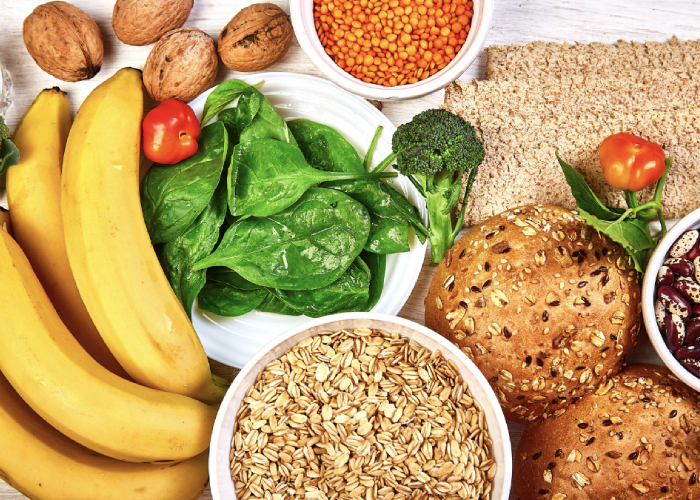
While avoiding high glycemic-index foods (like refined carbs and sugars) is key, Dr Koh suggests incorporating fermented foods, fibre-rich vegetables, and prebiotics to support a thriving microbiome.
“A varied, healthy diet in various nuts and seeds and beans, as well as fermented foods such as unsweetened yoghurt or kefir is thought to be important in microbial diversity and promote a healthy microbiome,” he informs.
“However, as some of these foods may not be so easily digestible, it may be better to wait for full recovery from the gastrointestinal infection before attempting such a diet.”
3. Rehydrate
Fight skin dehydration by staying hydrated orally and using topical moisturisers that are packed with ceramides and hyaluronic acid.
When Topicals and Treatments Come to the Rescue
If your skin still feels off after food poisoning, both at-home skincare routines and professional treatments can help restore balance and repair any damage. Here’s how:
At-Home Topical Treatments
Dr Ang recommends focusing on ingredients that calm inflammation, restore moisture, and rebuild the skin’s natural barrier. Key ingredients include:
- Panthenol (Vitamin B5): A calming ingredient that hydrates and strengthens the skin, helping to lock in moisture and ease irritation. It’s especially useful for inflamed or sensitive skin after a breakout.
- Niacinamide (Vitamin B3): Known for its anti-inflammatory effects, niacinamide reduces redness, regulates oil production, and boosts the skin’s resilience, making it great for stressed or acne-prone skin.
- Hyaluronic acid: A powerful hydrator that attracts moisture into the skin, helping to restore hydration without clogging pores.
- Ceramide-infused moisturisers: Ceramides help repair the skin barrier, reduce irritation, and prevent further breakouts from dehydration.
For targeted acne treatment:
- Salicylic Acid (BHA): A gentle exfoliant that helps clear pores of oil and debris, salicylic acid is ideal for addressing clogged pores after a breakout. Use in moderation to avoid excessive drying.
- Benzoyl Peroxide: This is effective for treating inflamed acne by targeting the bacteria that cause acne. Opt for lower concentrations (2.5 to 5%) to reduce irritation.
- Vitamin C: A gentle vitamin C serum can help lighten post-breakout dark spots and even out skin tone. Use milder formulations if your skin is sensitive.
In-Office Dermatological Procedures
If breakouts or inflammation persist, Dr Ang highlights several in-office treatments that can speed up recovery:
- LED Light Therapy: Blue Light targets acne-causing bacteria, while Red Light soothes inflammation, encourages healing, and can enhance skin texture.
- Hydrafacial with LED add-on: This combination treatment cleanses, exfoliates, and hydrates the skin while using LED therapy to reduce inflammation and improve clarity.
- Gentle chemical peels: Low-concentration AHAs like lactic or mandelic acid can exfoliate gently, improve texture, and fade acne scars without aggressive peeling.
- Microneedling with hydrating serums: Microneedling promotes collagen production and helps hydrating serums penetrate deeper, improving skin resilience and fading pigmentation over time.
- Corticosteroid injections: For large, painful cysts, a dermatologist can inject a corticosteroid to reduce swelling and inflammation, helping the healing process and minimising scarring.
How Long Until Your Skin Recovers?
Recovery time varies. Dr Ang notes that mild redness or breakouts may clear up within one to two weeks, while more significant inflammation may take several weeks to heal. Probiotics and proper hydration can accelerate the healing process, so it’s important not to neglect these vital steps.
With the right combination of at-home treatments and professional care, your skin can recover more quickly, helping you feel confident and clear once again.
Dr Ang also shares useful tips to speed up skin recovery.
- Go easy on exfoliation: “Keep exfoliation to a minimum, especially if the skin is recovering from inflammation. Over-exfoliating can compromise the skin barrier further.”
- Patch-test new products: “Since the skin may be more sensitive, patch-test any new products on a small area first to ensure no adverse reactions.”
- Be consistent: “Consistent use of hydrating and calming products will often yield the best results without overwhelming the skin.”
Food poisoning might seem like a short-term issue, but its impact can extend beyond your gut, affecting your skin in surprising ways. Recognising the gut-skin connection and adopting a proactive approach can support recovery from within while safeguarding your skin’s health over time.
For individuals prone to acne or inflammatory skin concerns, food poisoning can feel like another hurdle in the journey to clear skin, but armed with the right knowledge, it doesn’t have to be a permanent setback.
