

If you’ve been struggling with tiny, pimple-like bumps, chances are, you’re probably not dealing with acne. Commonly located around the T-zone, chest, back and shoulders, these little itchy lumps are known as fungal acne.
As its name suggests, fungal acne is caused by an overgrowth of yeast (i.e. fungi), whereas regular acne is triggered by bacteria and clogged pores. In a humid climate like ours, fungi or yeast breed and build their own colony, mainly because we tend to sweat excessively in the heat.
This overload of yeast causes inflammation in the hair follicles and leads to fungal acne. Thankfully for us, treating fungal acne is actually quite simple. Ahead, we’ll show you how to identify and get rid of them with fungal acne-safe products.
Best Products That Help Manage Fungal Acne
When it comes to fungal acne-safe products, you have to look out for certain ingredients that won’t promote the growth of yeast. Here are some of the ones that are perfect to use for fungal acne treatment:
Cosrx BHA Blackhead Power Liquid

Formulated with 4% of betaine salicylate, a form of BHA, Cosrx’s BHA Blackhead Power Liquid is a liquid exfoliant that gently removes dead skin cells and buildup within the pores. It teams up with niacinamide to heal blemishes quicker. Willow bark extract reduces excess sebum production and shrinks the appearance of pores too.
Cosrx BHA Blackhead Power Liquid (100ml) retails for RM92 at Watsons. A discount is available at the time of writing. Tap in to see latest price.
Paula’s Choice Resist Youth-Extending Daily Hydrating Fluid SFP50

Green tea leaf extract found in the Paula’s Choice Resist Youth-Extending Daily Hydrating Fluid SFP50 combats fungal acne. Plus, it has a water-light texture that provides broad-spectrum sun protection, as well as key antioxidants to keep your skin looking younger and more even-toned.
Paula’s Choice Resist Youth-Extending Daily Hydrating Fluid SFP50 (60ml) retails for RM199 at Paula’s Choice Official Website.
Bioderma Sensibio H20 Micellar Water

If you have sensitive skin as well as fungal acne, this micellar water would be your best cleansing BFF. It also contains propylene glycol, which has antifungal properties.
Bioderma Sensibio H20 Micellar Water (500ml) retails for RM125.69 at Watsons.
CeraVe Renewing SA Cleanser
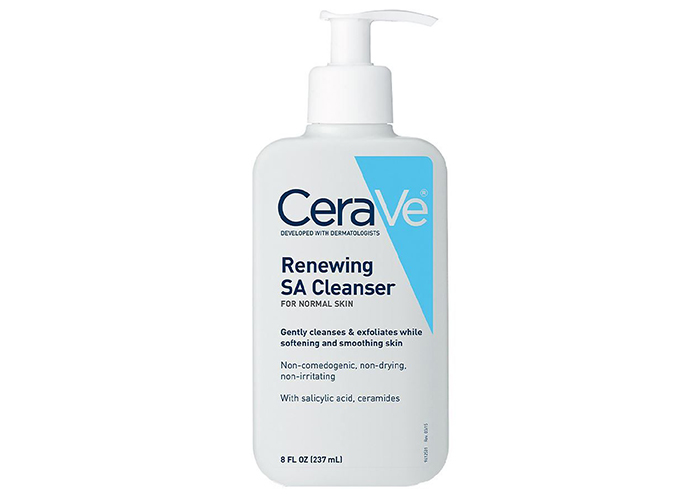
A buildup of sebum and dirt is one of the primary causes of fungal acne. This is why you need a cleanser that contains salicylic acid, such as this one from CeraVe. Salicylic acid reaches deep into your pores to coax sebum and grime out from your pores, so you’ll see fresher, less congested skin with every cleanse.
CeraVe Renewing SA Cleanser (237ml) retails for RM105.90 at Shopee. A discount is available at the time of writing. Tap into the link to see latest price.
Krave Beauty Oat So Simple Water Cream

Formulated with less than 10 ingredients, Krave Beauty’s Oat So Simple Water Cream contains squalane and oatmeal extract, both of which combat fungal acne. This gel-cream is lightweight and soothing as well, making it the perfect fungal acne treatment for those with sensitive, acne-prone skin.
Krave Beauty Oat So Simple Water Cream (80ml) retails for RM145 at Sephora.
Dr.Jart+ Teatreement Cleansing Foam
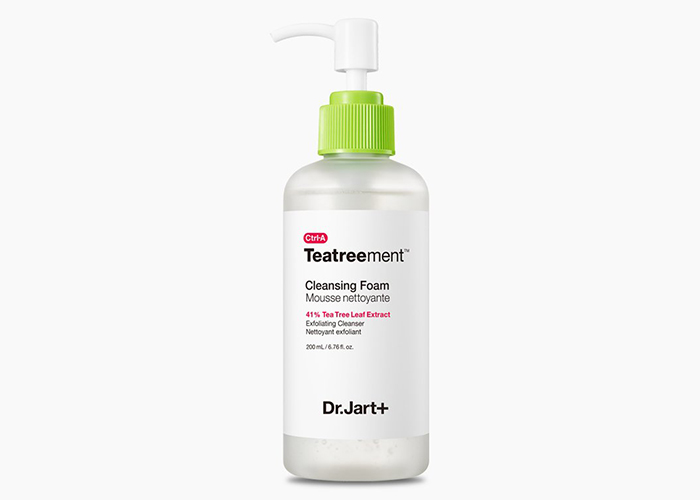
With the help of green tea, tea tree extract, as well as salicylic acid, you can say goodbye to fungal acne with the Dr.Jart+ Teatreement Cleansing Foam. Salicylic acid exfoliates your pores, while green tea and tea tree extracts soothe irritated skin.
Dr.Jart+ Teatreement Cleansing Foam (120ml) retails for RM80 at Sephora.
Nizoral Anti-Dandruff Ketoconazole Shampoo 1%

If you’re searching for a fungal acne treatment, you’re bound to run into anti-dandruff shampoos. That’s because most anti-dandruff shampoos, such as Nizoral’s Anti-Dandruff Ketoconazole Shampoo 1% contains ketoconazole, which helps inhibit the growth of yeast on the skin.
This shampoo can also be used on your face or body, but be sure to test it out first as it might be too harsh for the skin on your face, especially if your skin is particularly sensitive. If you’re using it on your face, leave it on for five minutes and rinse it off thoroughly.
Nizoral Anti-Dandruff Ketoconazole Shampoo 1% (60ml) retails for RM120 at Lazada.
How To Know if You Have Fungal Acne
View this post on Instagram
First of all, fungal acne isn’t the same as regular acne. When you have regular acne, it’s because there’s an overgrowth of bacteria. Fungal acne, however, occurs when there’s an overgrowth of yeast or fungi (also known as Malassezia).
Typically, fungal acne is way itchier than regular acne. If you find yourself scratching your face non-stop, it points to fungal acne. The common places where fungal acne will appear would be around your back or T-zone – the oiliest parts of the body and face.
A telltale sign of fungal acne is when it doesn’t respond to traditional topical and oral treatments used to address acne, such as benzoyl peroxide and antibiotics. If you want to be sure, visit a dermatologist for a microscopic examination.
Fungal acne is uniform in shape and size too. So if you notice that the spots are identical and difficult to pop, they’re probably fungal acne.
Related read: How to use benzoyl peroxide and make it work for your anti-acne skincare routine
Building a Skincare Routine To Prevent Fungal Acne

Your face is where fungal acne tends to appear, so it’s best to figure out a proper skincare routine to prevent it from getting worst. Although you already have a basic skincare routine, you need to tweak it a little if you have fungal acne.
Step 1: Cleanse your face. A good cleanser for fungal acne would be one that doesn’t leave your skin dry or irritated. Essentially, you need a cleanser that balances the pH of your skin.
Step 2: Use a chemical exfoliant. Use toners of chemical exfoliants that contain active ingredients to prevent the growth of yeast. These are usually products that contain salicylic acid and azelaic acid.
Step 3: Hydration is key. Malassezia is a genus of fungi that lives on everyone’s skin, but it only becomes problematic when the yeast feeds on large amounts of human sebum. It thrives in an environment that’s rich in oils and fatty acids, so use an oil-free moisturiser that contains squalane to hydrate your skin without clogging pores.
Step 4: Sunscreen is a must. To prevent potential fungal acne scars, you need to protect your skin from harmful UV rays with sunscreen. You should look out for a sunscreen that contains fungal acne-safe ingredients, such as capric triglyceride.
To combat and prevent fungal acne on your body, you should change your clothes after a workout session immediately to avoid trapping sweat. Besides that, you can use a shower gel that contains gentle exfoliating ingredients, such as salicylic acid.
Another great tip is to wear clothes that have a looser, more comfortable fit. Tight clothes trap moisture on your skin. And remember not to re-wear your sweaty clothes! It’s the perfect breeding ground for yeast, which will lead to fungal acne.
How To Get Rid of Fungal Acne

In order to get rid of fungal acne, you’ll have to use antifungal medications or skincare ingredients with antifungal properties. For instance, green tea extract, salicylic acid (BHA), and honey are known to combat fungal acne. There are also antifungal creams with key active ingredients, such as miconazole or clotrimazole – both of which work well when applied once or twice a day.
Bear in mind, fungal acne doesn’t just clear up immediately. It takes around several weeks to a few months before you start seeing an improvement. Just like every other skin issue, it takes time for it to completely clear up, so remember to be patient and consistent!
Ready to start tackling fungal acne? We’ve rounded up some of the best fungal acne-safe products to help clear things up.
