
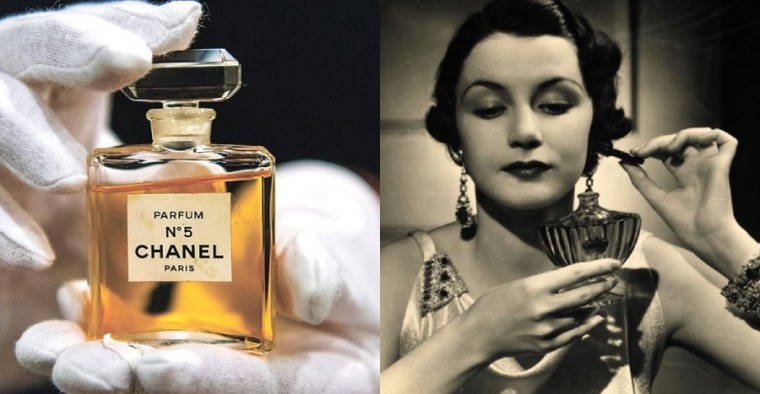
Vintage perfumes have a timeless charm that continues to captivate fragrance lovers. These classic scents carry rich histories, unique compositions, and a sense of nostalgia that modern perfumes often try to recreate.
Some vintage perfumes have rare, exquisite notes that make them truly unforgettable, while there are also modern fragrances designed to capture the same elegance and sophistication.
Whether you’re exploring the originals or discovering contemporary scents inspired by them, vintage perfumes offer a journey into artistry, refinement, and the enduring allure of fragrance.
What Exactly Are Vintage Perfumes?
In the simplest terms, vintage perfumes are fragrances that were released decades ago and have stood the test of time. Some collectors hunt for original, older batches — the ones made before ingredient restrictions and reformulations, while others simply love the style and character that defined those eras.
They still hold such a special place for many reasons, including:
- Craftsmanship: Many of these perfumes were made with rich, natural ingredients and layered compositions that feel more complex than modern minimalist blends.
- Emotion and nostalgia: They remind people of a different time, one when perfume was part of everyday glamour.
- Signature style: Vintage perfumes often lean bold, powdery, spicy, or musky. They’re unapologetically luxurious and confident, compared to today’s lighter, cleaner scents.
In short, vintage perfumes are time capsules. Each spritz tells a story of the decade it was born in — from the roaring ’20s to the disco-fueled ’70s.
Iconic Vintage Perfumes That Are Still Loved Today
Chanel No. 5 (1921)
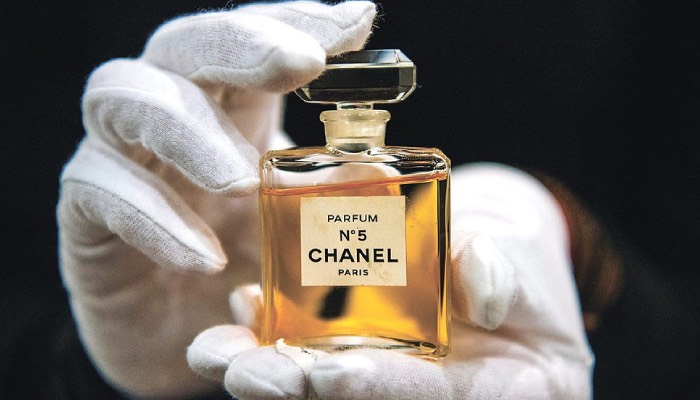
Source: The Style List
Arguably the world’s most famous perfume, Chanel No. 5 was created in 1921 and has since become a timeless symbol of elegance and sophistication.
It opens with a sparkling burst of aldehydes that lend a clean, effervescent quality, reminiscent of champagne bubbles, gently intertwined with the freshness of bergamot and lemon. As the scent unfolds, a bouquet of jasmine, rose, and ylang-ylang takes centre stage, enveloping the senses in a soft and feminine warmth.
The dry-down reveals a luxurious blend of sandalwood, vanilla, and musk, creating a smooth, creamy finish that lingers beautifully on the skin.
Why it’s still loved: Many describe Chanel No. 5 as elegant, timeless, and effortlessly “put together.” It’s a scent that feels both crisp and warm, refined yet deeply comforting — much like the feeling of slipping into a perfectly tailored little black dress.
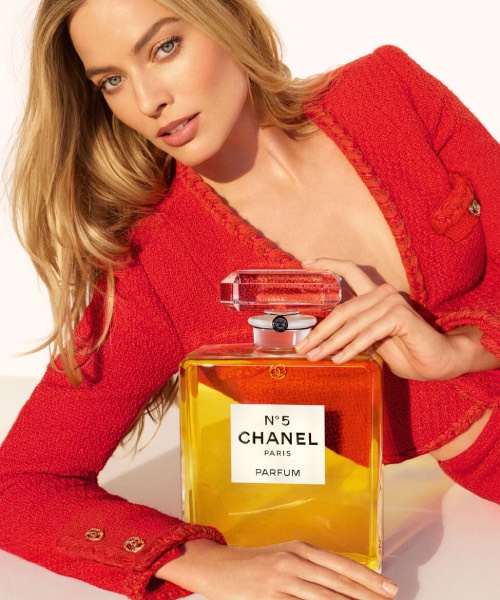
Modern equivalent: Try Chanel N0.5 Eau De Parfum (RM420), a contemporary take that captures the same essence.
Bienaimé Jours Heureux Eau de Parfum (1938)

Known to many as a modern classic with vintage soul, Bienaimé Jours Heureux Eau de Parfum wraps you in a soft embrace of sweet florals and cosy gourmand warmth. Its opening is gently almondy, touched by the sparkle of aldehydes, giving a delicate sweetness that feels comforting from the first spray.
At its heart, rose, violet, carnation, and geranium blend in a floral bouquet softened by hints of powder, evoking petals and old-powder tins. The base settles into vanilla, white musk, and tonka bean, creating a creamy, cozy trail that lingers softly on the skin.
Why it’s still loved: Because it feels like being wrapped in a cashmere sweater on a cool evening — tender, nostalgic, and deeply reassuring. Many lovers of vintage perfumes are drawn to it for its gentle balance of sweetness and floral depth, without ever becoming overwhelming.

Modern equivalent: Try Bienaimé Jours Heureux Eau de Parfum (2022) (RM1,050), a reimagined classic that captures the charm of vintage powder notes in a more delicate, contemporary form.
Guerlain Shalimar (1925)

Source: The Perfume Society
If Chanel No. 5 is about elegance, Shalimar is pure seduction. Created in 1925 and inspired by the love story behind the Taj Mahal, it’s often hailed as the first true oriental perfume.
The scent opens with bright bergamot and lemon before revealing a heart of iris, jasmine, and rose that melts into a warm base of vanilla, tonka bean, and smoky incense. Rich, sensual, and deeply comforting, it feels like liquid velvet on the skin.
Fans adore its luxurious warmth and romantic depth — a balance of comfort and allure that’s impossible to forget.
Why it’s still loved: Its creamy vanilla and smoky notes exude sensuality in a way that feels timeless. Many still reach for it when they want a scent that feels both nostalgic and irresistibly intimate.

Modern equivalent: Try Guerlain Shalimar Eau de Parfum RM760, a lighter, radiant take that retains the vanilla-amber sweetness and smoky warmth of the original.
Guerlain Mitsouko (1919)

Mitsouko is for those who prefer quiet sophistication. Introduced in 1919, it was one of the first fruity-chypre perfumes, blending ripe peach with earthy moss and woods. The fragrance opens with a soft mix of bergamot and peach before revealing a floral heart of jasmine, rose, and a whisper of cinnamon.
As it dries down, oakmoss, vetiver, and amber emerge, giving it a mysterious, woody finish. It’s graceful, contemplative, and never overpowering — a scent that reveals its beauty slowly.
Why it’s still loved: Its complexity gives it a sense of mystery that continues to intrigue fragrance lovers today. The way it balances fruit, spice, and wood feels effortlessly sophisticated even a century later.
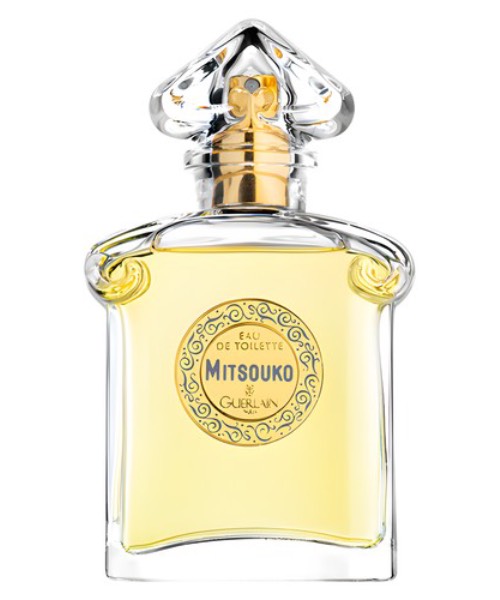
Modern equivalent: Try Guerlain Mitsouko Eau de Toilette (2005) RM545, a contemporary rendition that preserves the original’s iconic chypre-fruity essence with a brighter, more approachable twist.
Houbigant Quelques Fleurs (1912)
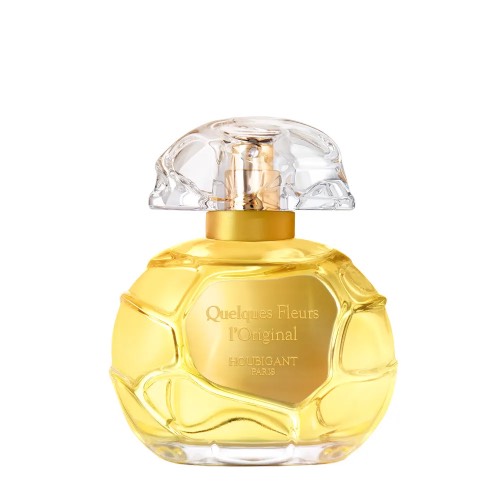
One of the earliest floral masterpieces, Quelques Fleurs was groundbreaking when it launched in 1912. Instead of focusing on a single flower, it combined an entire bouquet of jasmine, rose, lilac, and tuberose blended to perfection.
The fragrance opens with bright citrus and fresh green notes that evoke the feeling of freshly cut flowers. As the scent unfolds, its floral symphony grows richer and more enveloping, gradually revealing layers of creamy warmth beneath the petals.
The base of sandalwood, musk, and amber adds a touch of softness and depth, leaving behind a romantic, powdery trail that feels both vintage and timeless.
Why it’s still loved: Its lush floral blend captures the essence of femininity in the most graceful way. Many still adore it for its balance of softness and sophistication that never goes out of style.
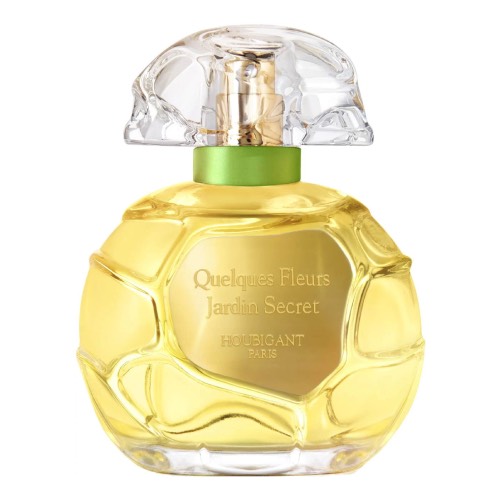
Modern equivalent: Try Houbigant Quelques Fleurs Jardin Secret Eau de Parfum (RM854), a contemporary interpretation that preserves the original’s iconic multi-floral harmony while giving it a softer, more wearable edge.
Yves Saint Laurent Opium (1977)
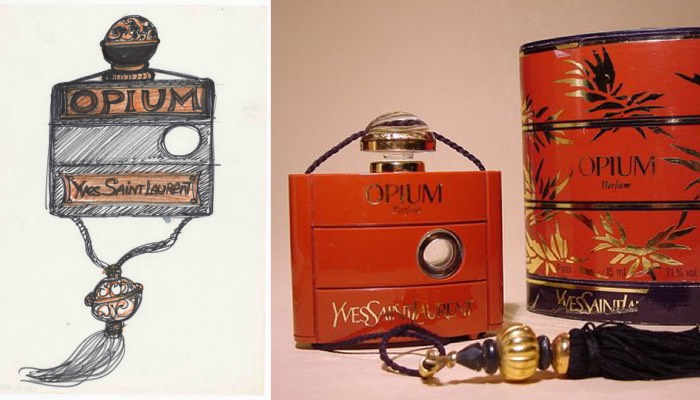
Launched in the late 1970s, Yves Saint Laurent Opium caused a stir with its daring intensity.
From its first spray, it delivers a rush of mandarin orange, bergamot, and jasmine, followed by a heart of clove, carnation, and myrrh. The scent then deepens into rich amber, patchouli, vanilla, and incense, creating a smoky sweetness that’s both addictive and bold.
It’s a perfume that commands attention — sensual, confident, and unapologetically powerful. Even decades later, Opium remains one of the most iconic statement fragrances ever made.
Why it’s still loved: It continues to attract those who crave drama, depth, and allure in their perfume. Its unapologetic richness feels empowering — a scent that refuses to fade into the background.
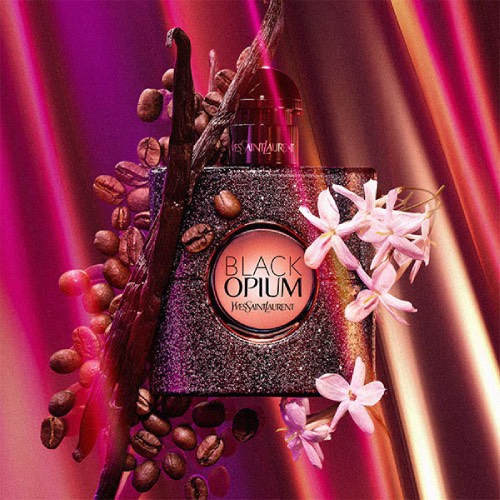
Modern equivalent: Try Yves Saint Laurent Black Opium Eau de Parfum (RM715), a modern take on the original Opium, blending coffee, vanilla, and white florals for a bold, addictive twist.
4711 Original Eau de Cologne (1792)
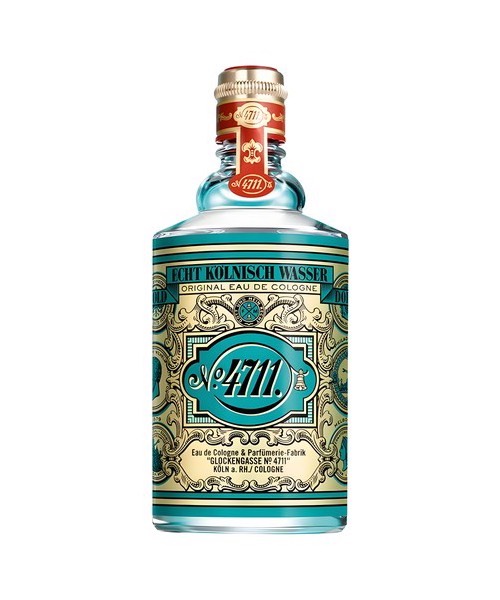
Known as one of the truest classics in perfumery, 4711 Original Eau de Cologne has been refreshing wearers since 1792.
Celebrated for its bright and uplifting simplicity, it opens with zesty notes of lemon, orange, and bergamot before unfolding into soothing touches of lavender, rosemary, and neroli. The base of light musk and petitgrain gives it a clean and airy finish, making it ideal for everyday wear.
While it may not last as long as richer perfumes, its beauty lies in its fleeting freshness that feels like a gentle burst of energy. It continues to be loved for its timeless, effortless charm that never fails to uplift the senses.
Why it’s still loved: Its crisp, citrusy character makes it timelessly refreshing and easy to wear. People still reach for it when they want something simple, light, and effortlessly uplifting.
Modern equivalent: Try 4711 Original Eau de Cologne (RM270), a refreshing classic that keeps its bright citrus and herbal notes intact, perfect for a clean, everyday spritz.
Molinard Habanita (1924)
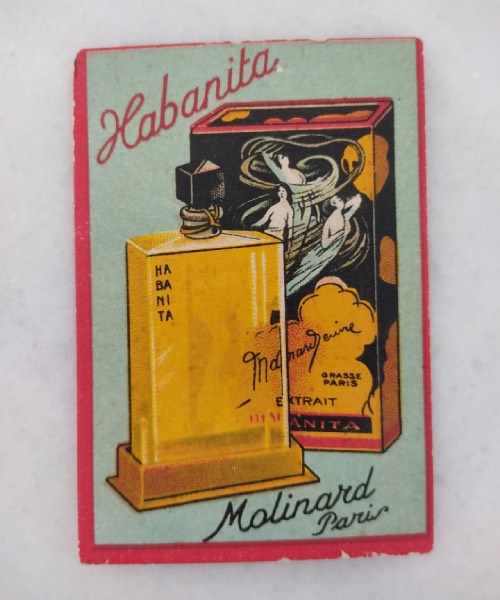
Source: TecParques
Originally introduced in 1921 to scent cigarettes before being relaunched as a perfume in 1924, Molinard Habanita is often hailed as one of the first truly unisex fragrances. It’s bold, mysterious, and impossibly intriguing.
The scent opens with a rich blend of orange blossom, bergamot, and raspberry, creating a warm sweetness that quickly deepens into notes of leather, vetiver, and heliotrope. As it lingers, the base of amber, oakmoss, vanilla, and musk gives it a smoky, powdery depth that feels both seductive and comforting.
It’s the kind of scent that commands attention without trying — smoky yet soft, daring yet elegant.
Why it’s still loved: Its mix of sensuality and sophistication continues to captivate perfume lovers who crave something timeless and distinctive. Many adore how it feels unapologetically bold yet effortlessly refined.

Modern equivalent: Try Habanita L’Esprit Eau de Parfum, a contemporary take on the iconic original, blending soft florals and warm, woody notes for a timeless yet wearable scent.
Lanvin Arpège (1927)

Created as a gift from Jeanne Lanvin to her daughter, Lanvin Arpège remains one of the most romantic perfumes ever made. It’s a celebration of love, femininity, and timeless grace — the kind of scent that feels like a cherished keepsake.
It opens with soft aldehydes and peach, creating a luminous start before unveiling a bouquet of rose, jasmine, ylang-ylang, and lily of the valley.
The heart feels opulent and tender, with a creamy sandalwood and amber base that adds warmth and depth. The result is a perfume that feels both elegant and comforting, like silk and sunshine wrapped into one.
Why it’s still loved: Arpège endures because it captures the essence of elegance across generations. Its rich floral composition feels graceful and nostalgic, yet never outdated.
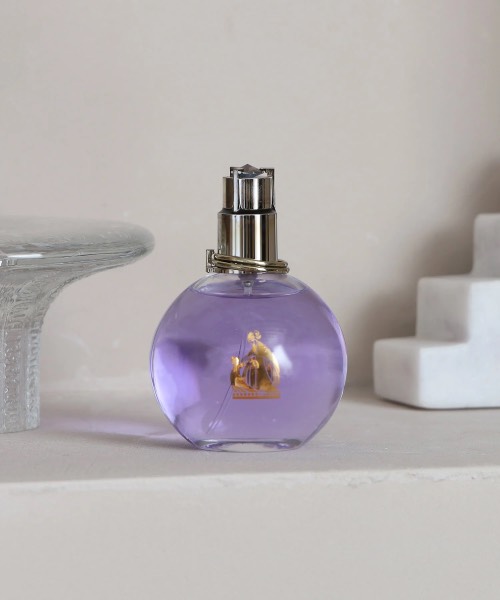
Modern equivalent: Try Lanvin Éclat d’Arpège Eau de Parfum (RM278), a fresh, floral interpretation of the classic, with luminous notes of yuzu, green tea, and wisteria for a light, everyday elegance.
Caron Nuit de Noël (1922)
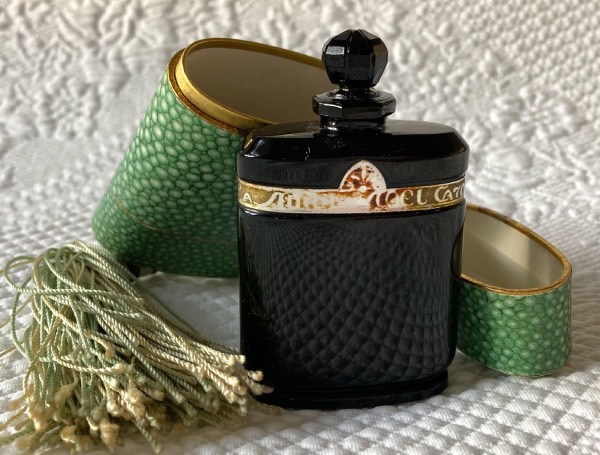
Source: Etsy
Launched just in time for the holiday season of 1922, Caron Nuit de Noël translates to “Christmas Night,” and it truly captures that feeling of warmth, mystery, and quiet celebration. It’s rich and enveloping, like an evening spent by the fireplace with flickering candles and soft music.
The scent opens with a gentle touch of rose and jasmine, followed by a heart of ylang-ylang and iris that adds a powdery, vintage elegance. The base of oakmoss, sandalwood, and musk gives it a velvety depth that lingers beautifully on the skin. It’s not overly sweet or loud but just warm, nostalgic, and endlessly comforting.
Why it’s still loved: Nuit de Noël is adored for its emotional depth and old-world charm. Many describe it as a perfume that feels like a memory — intimate, graceful, and timeless.
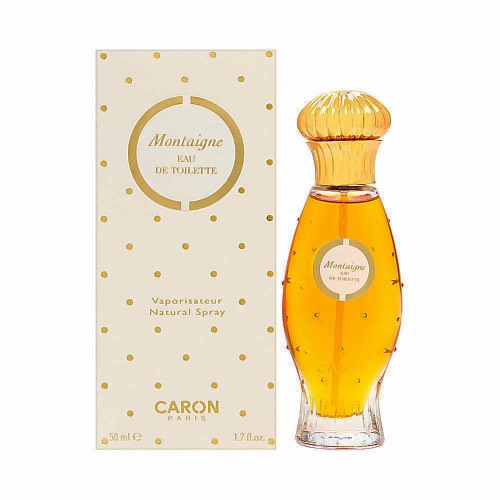
Modern equivalent: Try Caron Nuit de Noël Eau de Toilette (RM420), a contemporary rendition that preserves the original’s warm, spicy, and resinous character while making it more wearable for today.
Jean Patou Joy (1930)

Source: Hoteis Village
Created during the Great Depression, Jean Patou Joy was a bold statement of optimism and beauty in difficult times. It was famously called “the costliest perfume in the world” because it took thousands of jasmine blossoms and hundreds of roses to create a single ounce.
The fragrance opens with a burst of Bulgarian rose and Grasse jasmine, creating an opulent floral harmony that feels radiant yet soft. Subtle hints of tuberose and ylang-ylang add creaminess, while musk and sandalwood anchor the scent with gentle warmth.
Rather than overwhelming the senses, it unfolds gracefully, revealing layers of tenderness and luxury that seem to glow from the skin. It’s a scent that feels joyful in the truest sense — bright, emotional, and beautifully alive.
Why it’s still loved: Joy stands as a symbol of hope and craftsmanship. It continues to enchant perfume lovers who find comfort in its luminous florals and quiet strength.

Modern equivalent: Try Jean Patou Joy Forever Eau de Toilette (2013) (RM410), a contemporary interpretation that preserves the original’s iconic multi-floral harmony while giving it a softer, more wearable edge.
